


- Afhalen na 1 uur in een winkel met voorraad
- Gratis thuislevering in België vanaf € 30
- Ruim aanbod met 7 miljoen producten
- Afhalen na 1 uur in een winkel met voorraad
- Gratis thuislevering in België vanaf € 30
- Ruim aanbod met 7 miljoen producten





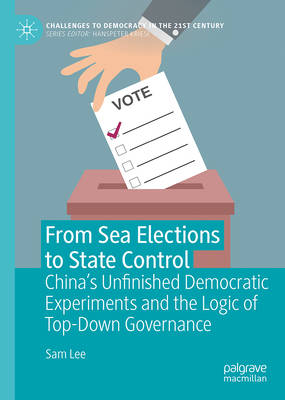
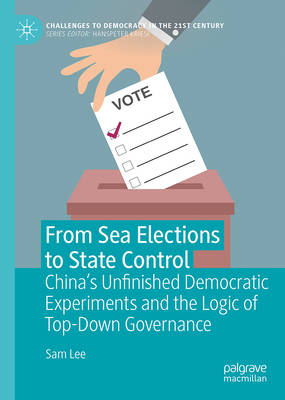
From Sea Elections to State Control
China's Unfinished Democratic Experiments and the Logic of Top-Down Governance
Sam Lee
€ 140,95
+ 281 punten
Omschrijving
This book examines China's grassroots electoral experiments and their transformation into instruments of centralized political control. It provides the first comprehensive, historically grounded analysis of village, township, and consultative elections from the 1980s to the present. Tracing the rise of "sea elections" and their gradual institutional containment, the book shows how limited democratic practices emerged within a one-party system and were later restructured to reinforce state authority. It introduces the concept of "top-down governance logic" to explain how electoral participation can coexist with authoritarian resilience. Combining long-term field research, archival materials, and comparative political analysis, the book situates China's experience within broader debates on authoritarian governance, democratic experimentation, political reform, and adaptive legitimacy. It demonstrates how elections in China functioned simultaneously as experiments in participation and mechanisms of political consolidation.
Specificaties
Betrokkenen
- Auteur(s):
- Uitgeverij:
Inhoud
- Aantal bladzijden:
- 418
- Taal:
- Engels
- Reeks:
Eigenschappen
- Productcode (EAN):
- 9783032237422
- Verschijningsdatum:
- 27/08/2026
- Uitvoering:
- Hardcover
- Formaat:
- Genaaid
- Afmetingen:
- 148 mm x 210 mm


Alleen bij Standaard Boekhandel
+ 281 punten op je klantenkaart van Standaard Boekhandel
Cadeau

AANGERADEN


Beoordelingen
We publiceren alleen reviews die voldoen aan de voorwaarden voor reviews. Bekijk onze voorwaarden voor reviews.