


- Afhalen na 1 uur in een winkel met voorraad
- Gratis thuislevering in België vanaf € 30
- Ruim aanbod met 7 miljoen producten
- Afhalen na 1 uur in een winkel met voorraad
- Gratis thuislevering in België vanaf € 30
- Ruim aanbod met 7 miljoen producten





€ 47,95
+ 95 punten
Uitvoering
Omschrijving
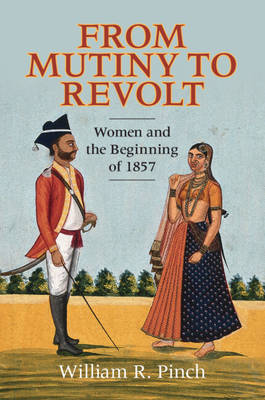
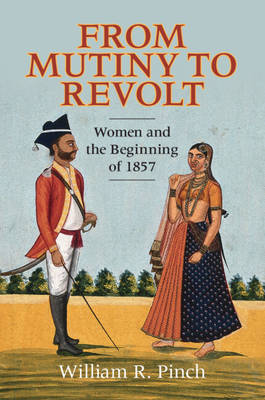
Why did the nonviolent Meerut mutiny of 1857 in India explode into a violent military revolt? Breaking new ground on the events of May 10, William Pinch reexamines the evidence, shifting our focus toward the identity of female participants and their actions in the hours before the revolt began. Drawing upon a wide range of sources, including Hindi folksongs, military records, police reports, literary fiction, and Urdu memoir, he creates snapshots from the perspective of key figures to uncover the social and emotional world of the military 'cantonment' and its rural hinterland. By foregrounding the lives of ordinary 'military women' and 'their men' - the Indian sepoys who peopled the revolt - Pinch challenges conventional narratives and guides readers through the literary and historiographical echoes of the fateful decision to take up arms against the British.
Specificaties
Betrokkenen
- Auteur(s):
- Uitgeverij:
Inhoud
- Aantal bladzijden:
- 228
- Taal:
- Engels
Eigenschappen
- Productcode (EAN):
- 9781009682428
- Verschijningsdatum:
- 18/12/2025
- Uitvoering:
- Paperback
- Formaat:
- Trade paperback (VS)
- Afmetingen:
- 152 mm x 229 mm
- Gewicht:
- 308 g


Alleen bij Standaard Boekhandel
+ 95 punten op je klantenkaart van Standaard Boekhandel
CADEAU

AANGERADEN


Beoordelingen
We publiceren alleen reviews die voldoen aan de voorwaarden voor reviews. Bekijk onze voorwaarden voor reviews.