


- Afhalen na 1 uur in een winkel met voorraad
- Gratis thuislevering in België vanaf € 30
- Ruim aanbod met 7 miljoen producten
- Afhalen na 1 uur in een winkel met voorraad
- Gratis thuislevering in België vanaf € 30
- Ruim aanbod met 7 miljoen producten





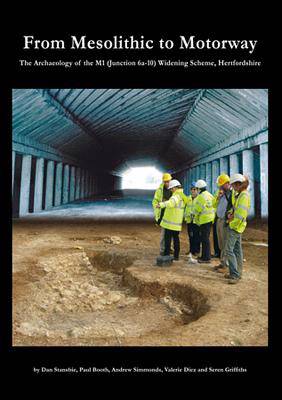
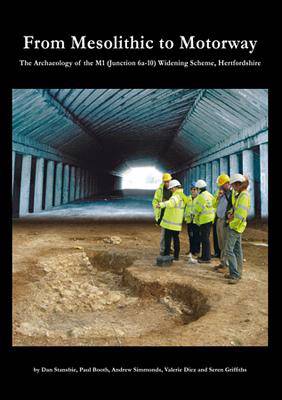
From Mesolithic to Motorway
The Archaeology of the M1 (Junction 6a-10) Widening Scheme, Hertfordshire
€ 27,95
+ 55 punten
Omschrijving
Excavation in advance of engineering works along the M1 from Junctions 6a to 10 (between Hemel Hempstead and Luton) revealed significant archaeological remains of wide-ranging date. Important evidence for late Mesolithic and early Neolithic activity, including pits, was found at Junction 9, while later prehistoric features were more widely distributed but less concentrated. Late Iron Age and Roman features were most common, with significant rural settlements at Junctions 8 and 9, and further evidence for trackways and enclosures elsewhere. These sites were of fairly low status and concerned with mixed agriculture, though incidental activities included manufacture of puddingstone querns. Occupation was most intensive in the 1st-2nd centuries AD and on a reduced scale in the late Roman period. At Junction 8, however, an east-west trackway apparently survived as a landscape feature and in the 12th and 13th centuries was adjoined by a ditched enclosure containing structures belonging to a substantial farmstead.
Specificaties
Betrokkenen
- Uitgeverij:
Inhoud
- Aantal bladzijden:
- 230
- Taal:
- Engels
- Reeks:
- Reeksnummer:
- nr. 14
Eigenschappen
- Productcode (EAN):
- 9780904220650
- Verschijningsdatum:
- 31/12/2012
- Uitvoering:
- Paperback
- Formaat:
- Trade paperback (VS)
- Afmetingen:
- 214 mm x 299 mm
- Gewicht:
- 957 g

Alleen bij Standaard Boekhandel
+ 55 punten op je klantenkaart van Standaard Boekhandel
Cadeau

AANGERADEN


Beoordelingen
We publiceren alleen reviews die voldoen aan de voorwaarden voor reviews. Bekijk onze voorwaarden voor reviews.