


- Afhalen na 1 uur in een winkel met voorraad
- Gratis thuislevering in België vanaf € 30
- Ruim aanbod met 7 miljoen producten
- Afhalen na 1 uur in een winkel met voorraad
- Gratis thuislevering in België vanaf € 30
- Ruim aanbod met 7 miljoen producten





Omschrijving
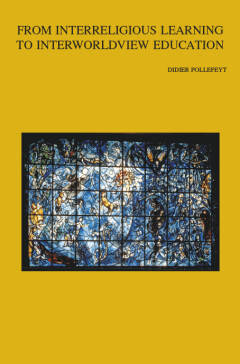
We live in a time when the vulnerable nature of our global interdependencies increasingly confronts us at every domain of society, from politics and religion, to economy and ecology. In recognition of these challenges, this volume assumes the significant diversity of worldviews as an active given and proposes that dialogue is needed today more than ever. The aim of these pages is to awaken both reflection and action towards a form of inter-worldview education in which diversity is a rich opportunity for human flourishing rather than a source of intolerance, violence, or even war, and in which no one can simply sit back as a spectator to dialogue; neutrality is not an option; or, in the best case, an option among options. Authors in this book argue that education offers powerful and unique opportunities to engage learners in movements of 'crossing over and coming back' - an approach to inter-worldview education that is only possible when education transforms itself (again) towards the integral formation of the human person, and when power imbalances are acknowledged in the process. This collection brings together the voices of fifteen scholars from seven different Western countries, across the fields of education, philosophy and theology, who speak from seven different confessional perspectives. In dialogue with each other, together they offer invaluable insights into inter-worldview education for the twenty-first century.
Specificaties
Betrokkenen
- Auteur(s):
- Uitgeverij:
Inhoud
- Aantal bladzijden:
- 290
- Taal:
- Engels
- Reeks:
- Reeksnummer:
- nr. 332
Eigenschappen
- Productcode (EAN):
- 9789042950252
- Verschijningsdatum:
- 20/12/2023
- Uitvoering:
- Paperback
- Formaat:
- Trade paperback (VS)
- Afmetingen:
- 16 cm x 24 cm
- Gewicht:
- 653 g


Alleen bij Standaard Boekhandel
+ 136 punten op je klantenkaart van Standaard Boekhandel
Cadeau

AANGERADEN


Beoordelingen
We publiceren alleen reviews die voldoen aan de voorwaarden voor reviews. Bekijk onze voorwaarden voor reviews.