


- Afhalen na 1 uur in een winkel met voorraad
- Gratis thuislevering in België vanaf € 30
- Ruim aanbod met 7 miljoen producten
- Afhalen na 1 uur in een winkel met voorraad
- Gratis thuislevering in België vanaf € 30
- Ruim aanbod met 7 miljoen producten





€ 128,45
+ 256 punten
Uitvoering
Omschrijving
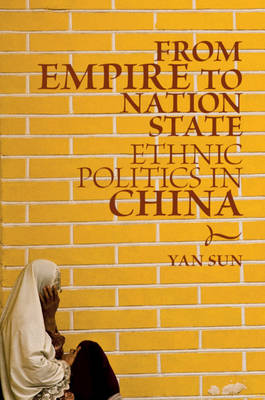
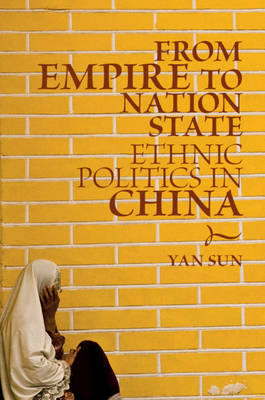
Many scholars perceive ethnic politics in China as an untouchable topic due to lack of data and contentious, even prohibitive, politics. This book fills a gap in the literature, offering a historical-political perspective on China's contemporary ethnic conflict. Yan Sun accumulates research via field trips, local reports, and policy debates to reveal rare knowledge and findings. Her long-time causal chain of explanation reveals the roots of China's contemporary ethnic strife in the centralizing and ethnicizing strategies of its incomplete transition to a nation state--strategies that depart sharply from its historical patterns of diverse and indirect rule. This departure created the institutional dynamics for politicized identities and ethnic mobilization, particularly in the outer regions of Tibet and Xinjiang. In the 21st century, such factors as the demise of socialist tenets and institutions that upheld interethnic solidarity, and the rise of identity politics and developmentalism, have intensified these built-in tensions.
Specificaties
Betrokkenen
- Auteur(s):
- Uitgeverij:
Inhoud
- Aantal bladzijden:
- 384
- Taal:
- Engels
Eigenschappen
- Productcode (EAN):
- 9781108840293
- Verschijningsdatum:
- 17/09/2020
- Uitvoering:
- Hardcover
- Formaat:
- Genaaid
- Afmetingen:
- 152 mm x 229 mm
- Gewicht:
- 730 g


Alleen bij Standaard Boekhandel
+ 256 punten op je klantenkaart van Standaard Boekhandel
Cadeau

AANGERADEN


Beoordelingen
We publiceren alleen reviews die voldoen aan de voorwaarden voor reviews. Bekijk onze voorwaarden voor reviews.