


- Afhalen na 1 uur in een winkel met voorraad
- Gratis thuislevering in België vanaf € 30
- Ruim aanbod met 7 miljoen producten
- Afhalen na 1 uur in een winkel met voorraad
- Gratis thuislevering in België vanaf € 30
- Ruim aanbod met 7 miljoen producten





€ 132,50
+ 265 punten
Omschrijving
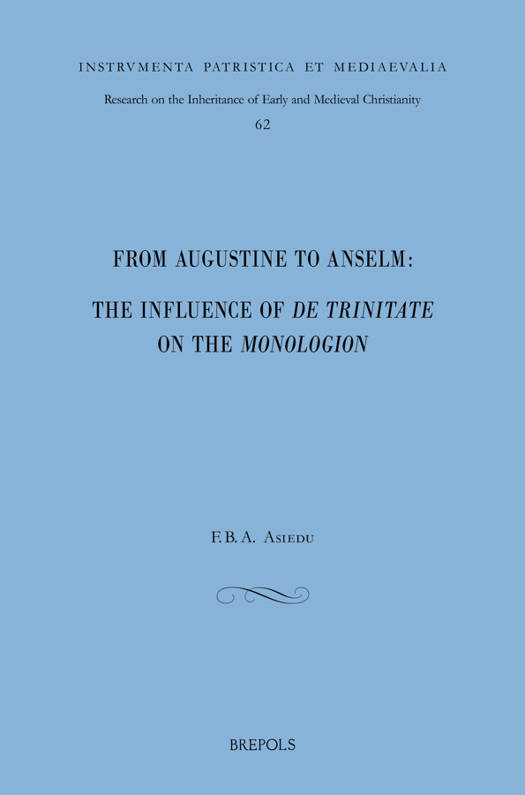
Anselm (1033-1109) described the Monologion, his first major theological work, as a model meditation on the divine essence; and he enjoined his potential critics to read Augustine's De trinitate diligently and then judge the Monologion by it. In following Anselm's admonition, the author has paid particular attention to Anselm's claims about the persuasiveness of his arguments, and probed the cogency of some of the many arguments that make up the Monologion. The result is something like a critical companion to the Monologion. It is not meant to replace an actual reading of the Monologion, which is an experience worth having, since no interpretation or paraphrase can capture the feeling of wading through Anselm's analytic arguments. The author have resisted the common tendency of reading the Monologion merely as a prelude to its more evocative sequel, the Proslogion. Because Anselm's arguments attend to fundamental themes in philosophical theology, this book also provides comment on the state of early medieval philosophical theology and Anselm's unique contribution to it. The book has implications not only for our understanding of Anselm's thought and its relation to ancient and early medieval Christian tradition, but also for the ways in which theologians and philosophers since Anselm have appropriated his ideas. Since a good deal of that appropriation often overlooks the Monologion, this study should help towards a re-orientation to Anselm and his relevance to contemporary debates about theological method in general and analytic theology in particular.
Specificaties
Betrokkenen
- Auteur(s):
- Uitgeverij:
Inhoud
- Aantal bladzijden:
- 497
- Taal:
- Engels
- Reeks:
- Reeksnummer:
- nr. 62
Eigenschappen
- Productcode (EAN):
- 9782503540863
- Verschijningsdatum:
- 10/05/2012
- Uitvoering:
- Hardcover
- Formaat:
- Genaaid
- Afmetingen:
- 165 mm x 246 mm
- Gewicht:
- 1043 g


Alleen bij Standaard Boekhandel
+ 265 punten op je klantenkaart van Standaard Boekhandel
Cadeau

AANGERADEN


Beoordelingen
We publiceren alleen reviews die voldoen aan de voorwaarden voor reviews. Bekijk onze voorwaarden voor reviews.