


- Afhalen na 1 uur in een winkel met voorraad
- Gratis thuislevering in België vanaf € 30
- Ruim aanbod met 7 miljoen producten
- Afhalen na 1 uur in een winkel met voorraad
- Gratis thuislevering in België vanaf € 30
- Ruim aanbod met 7 miljoen producten





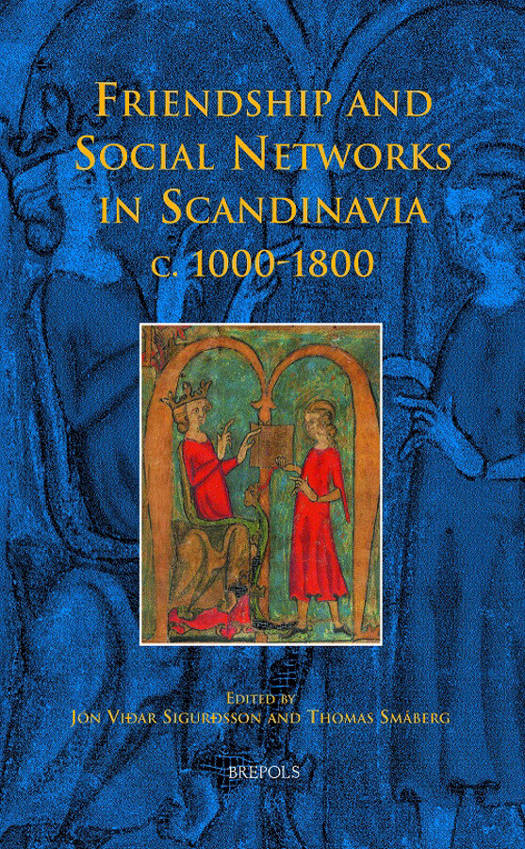
Friendship and Social Networks in Scandinavia, C. 1000-1800
Jón Viðar Sigurðsson
€ 100,70
+ 201 punten
Omschrijving
Friendship, patron-client relationships, and social networks played a fundamental role in Scandinavian society from the Viking Age through to the Industrial Era. Personal ties were essential to Viking chieftains for building their power base, and such ties were equally crucial for early modern merchants, who used their personal bonds to create trade networks. Furthermore, social networks connected medieval men and women to the saints and to God. The articles in this book emphasize the strong correlation between political developments such as the emergence of the state and the evolution of friendships and social networks. They also highlight radical changes in the importance and contexts of friendship that occurred between the Viking Age and the late eighteenth century. During this period, friendships became far more than community-based social relationships, but rather tools for the elite in social positioning and wealth acquisition. This volume highlights the major significance of friendships and patron-client relationships to political and cultural life in medieval, early modern, and modern society. It covers social networks in Iceland, Norway, Denmark, and Sweden, each of which are characterized by different societal features, ranging from the free-state republic of early medieval Iceland to the early modern kingdom of Denmark.
Specificaties
Betrokkenen
- Auteur(s):
- Uitgeverij:
Inhoud
- Aantal bladzijden:
- 320
- Taal:
- Engels
- Reeks:
- Reeksnummer:
- nr. 5
Eigenschappen
- Productcode (EAN):
- 9782503542485
- Verschijningsdatum:
- 17/05/2013
- Uitvoering:
- Hardcover
- Formaat:
- Genaaid
- Afmetingen:
- 158 mm x 236 mm
- Gewicht:
- 839 g



Alleen bij Standaard Boekhandel
+ 201 punten op je klantenkaart van Standaard Boekhandel
AANGERADEN


Beoordelingen
We publiceren alleen reviews die voldoen aan de voorwaarden voor reviews. Bekijk onze voorwaarden voor reviews.