


- Afhalen na 1 uur in een winkel met voorraad
- Gratis thuislevering in België vanaf € 30
- Ruim aanbod met 7 miljoen producten
- Afhalen na 1 uur in een winkel met voorraad
- Gratis thuislevering in België vanaf € 30
- Ruim aanbod met 7 miljoen producten





€ 160,45
+ 320 punten
Eenvoudig bestellen
Veilig betalen


Gratis thuislevering vanaf € 30 (via bpost)
Gratis levering in je Standaard Boekhandel
Omschrijving
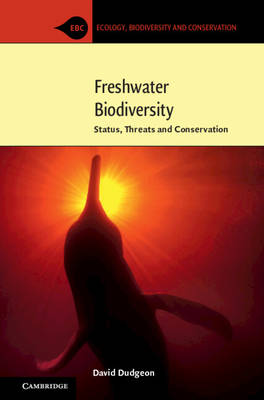
Growing human populations and higher demands for water impose increasing impacts and stresses upon freshwater biodiversity. Their combined effects have made these animals more endangered than their terrestrial and marine counterparts. Overuse and contamination of water, overexploitation and overfishing, introduction of alien species, and alteration of natural flow regimes have led to a 'great thinning' and declines in abundance of freshwater animals, a 'great shrinking' in body size with reductions in large species, and a 'great mixing' whereby the spread of introduced species has tended to homogenize previously dissimilar communities in different parts of the world. Climate change and warming temperatures will alter global water availability, and exacerbate the other threat factors. What conservation action is needed to halt or reverse these trends, and preserve freshwater biodiversity in a rapidly changing world? This book offers the tools and approaches that can be deployed to help conserve freshwater biodiversity.
Specificaties
Betrokkenen
- Auteur(s):
- Uitgeverij:
Inhoud
- Aantal bladzijden:
- 514
- Taal:
- Engels
- Reeks:
Eigenschappen
- Productcode (EAN):
- 9780521768030
- Verschijningsdatum:
- 2/07/2020
- Uitvoering:
- Hardcover
- Formaat:
- Genaaid
- Afmetingen:
- 170 mm x 231 mm
- Gewicht:
- 952 g


Alleen bij Standaard Boekhandel
+ 320 punten op je klantenkaart van Standaard Boekhandel
CADEAU

AANGERADEN


Beoordelingen
We publiceren alleen reviews die voldoen aan de voorwaarden voor reviews. Bekijk onze voorwaarden voor reviews.