


- Afhalen na 1 uur in een winkel met voorraad
- Gratis thuislevering in België vanaf € 30
- Ruim aanbod met 7 miljoen producten
- Afhalen na 1 uur in een winkel met voorraad
- Gratis thuislevering in België vanaf € 30
- Ruim aanbod met 7 miljoen producten





€ 127,20
+ 254 punten
Omschrijving
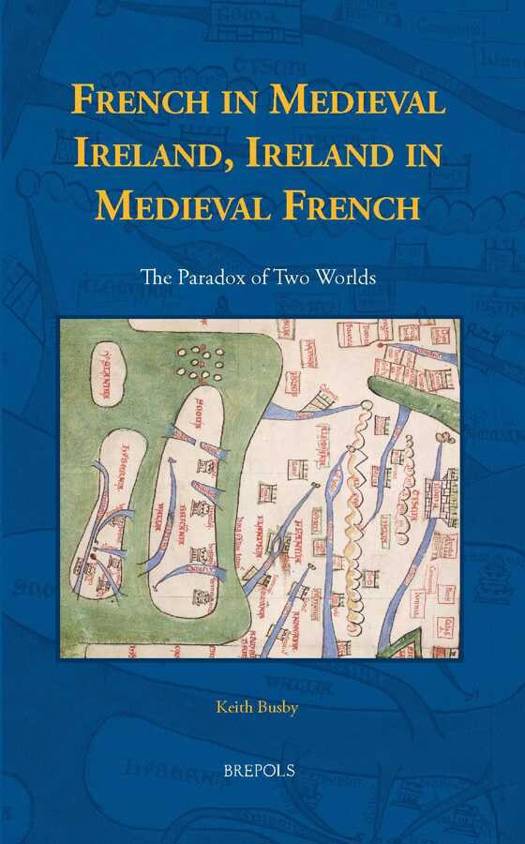
This book is a ground-breaking study of the cultural and linguistic consequences of the English invasion of Ireland in 1169, and examines the ways in which the country is portrayed in French literature of the twelfth, thirteenth, and fourteenth centuries. Works such as La geste des Engleis en Yrlande and The Walling of New Ross, written in French in a multilingual Ireland, are studied in their literary and historical contexts, and the works of the Dominican friar Jofroi de Waterford (c. 1300) are shown to have been written in Ireland, rather than Paris, as has always been assumed. After exploring how the dissemination and translation of early Latin texts of Irish origin concerning Ireland led to the country acquiring a reputation as a land of marvels, this study argues that increasing knowledge of the real Ireland did little to stymie the mirabilia hibernica in French vernacular literature. On the contrary, the image persisted to the extent of retrospectively associating central motifs and figures of Arthurian romance with Ireland. This book incorporates the results of original archival research and is characterized by close attention to linguistic details of expression and communication, as well as historical, codicological, and literary contexts.
Specificaties
Betrokkenen
- Auteur(s):
- Uitgeverij:
Inhoud
- Aantal bladzijden:
- 516
- Taal:
- Engels
- Reeks:
- Reeksnummer:
- nr. 27
Eigenschappen
- Productcode (EAN):
- 9782503570211
- Verschijningsdatum:
- 2/11/2017
- Uitvoering:
- Hardcover
- Formaat:
- Genaaid
- Afmetingen:
- 165 mm x 239 mm
- Gewicht:
- 1097 g


Alleen bij Standaard Boekhandel
+ 254 punten op je klantenkaart van Standaard Boekhandel
Cadeau

AANGERADEN


Beoordelingen
We publiceren alleen reviews die voldoen aan de voorwaarden voor reviews. Bekijk onze voorwaarden voor reviews.