


- Afhalen na 1 uur in een winkel met voorraad
- Gratis thuislevering in België vanaf € 30
- Ruim aanbod met 7 miljoen producten
- Afhalen na 1 uur in een winkel met voorraad
- Gratis thuislevering in België vanaf € 30
- Ruim aanbod met 7 miljoen producten




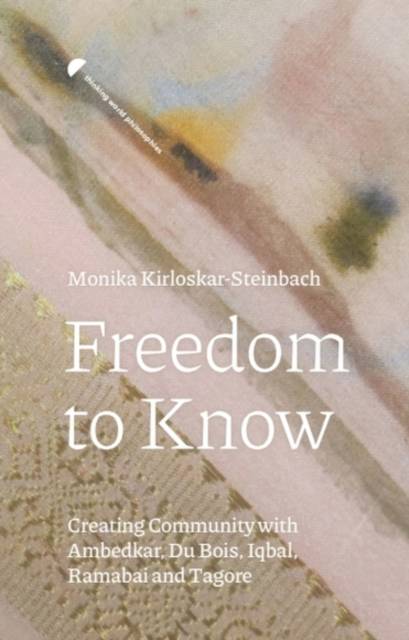
Freedom to Know
Creating Community with Ambedkar, Du Bois, Iqbal, Ramabai and Tagore
Monika Kirloskar-Steinbach
€ 193,45
+ 386 punten
Omschrijving
In this book, Monika Kirloskar-Steinbach studies how Bhimrao Ambedkar (1891-1956), W.E.B. Du Bois (1868-1963), Mohammed Iqbal (1877-1938), Pandita Ramabai (1858-1922) and Rabindranath Tagore (1861-1941) diagnose the epistemic oppression they perceive and experience, their analysis of the coloniality of being as its cause, and their proposals to counter it. Kirloskar-Steinbach explores how these voices seek to co-create a space in which they can experience what it means to be free from the conceptual domination of academic frameworks, relish that freedom with their collaborators and, in the equal participation that that space affords, develop open-ended concepts that help them to resist the coloniality of being.
Specificaties
Betrokkenen
- Auteur(s):
- Uitgeverij:
Inhoud
- Aantal bladzijden:
- 232
- Taal:
- Engels
- Reeks:
Eigenschappen
- Productcode (EAN):
- 9781399550536
- Verschijningsdatum:
- 31/10/2025
- Uitvoering:
- Hardcover
- Formaat:
- Genaaid
- Afmetingen:
- 140 mm x 216 mm
- Gewicht:
- 417 g


Alleen bij Standaard Boekhandel
+ 386 punten op je klantenkaart van Standaard Boekhandel
Cadeau

AANGERADEN


Beoordelingen
We publiceren alleen reviews die voldoen aan de voorwaarden voor reviews. Bekijk onze voorwaarden voor reviews.