


- Afhalen na 1 uur in een winkel met voorraad
- Gratis thuislevering in België vanaf € 30
- Ruim aanbod met 7 miljoen producten
- Afhalen na 1 uur in een winkel met voorraad
- Gratis thuislevering in België vanaf € 30
- Ruim aanbod met 7 miljoen producten





€ 63,45
+ 126 punten
Uitvoering
Omschrijving
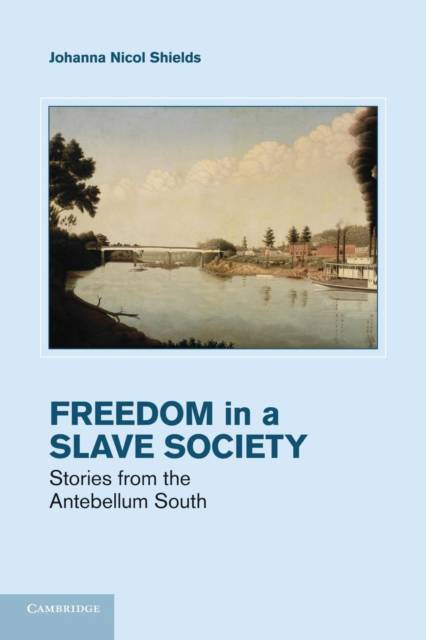
Before the Civil War, most Southern white people were as strongly committed to freedom for their kind as to slavery for African Americans. This study views that tragic reality through the lens of eight authors - representatives of a South that seemed, to them, destined for greatness but was, we know, on the brink of destruction. Exceptionally able and ambitious, these men and women won repute among the educated middle classes in the Southwest, South, and the nation, even amid sectional tensions. Although they sometimes described liberty in the abstract, more often these authors discussed its practical significance: what it meant for people to make life's important choices freely and to be responsible for the results. They publically insisted that freedom caused progress, but hidden doubts clouded this optimistic vision. Ultimately, their association with the oppression of slavery dimmed their hopes for human improvement, and fear distorted their responses to the sectional crisis.
Specificaties
Betrokkenen
- Auteur(s):
- Uitgeverij:
Inhoud
- Aantal bladzijden:
- 344
- Taal:
- Engels
- Reeks:
Eigenschappen
- Productcode (EAN):
- 9781107670655
- Verschijningsdatum:
- 17/07/2014
- Uitvoering:
- Paperback
- Formaat:
- Trade paperback (VS)
- Afmetingen:
- 156 mm x 234 mm
- Gewicht:
- 526 g



Alleen bij Standaard Boekhandel
+ 126 punten op je klantenkaart van Standaard Boekhandel
Cadeau

AANGERADEN


Beoordelingen
We publiceren alleen reviews die voldoen aan de voorwaarden voor reviews. Bekijk onze voorwaarden voor reviews.