


- Afhalen na 1 uur in een winkel met voorraad
- Gratis thuislevering in België vanaf € 30
- Ruim aanbod met 7 miljoen producten
- Afhalen na 1 uur in een winkel met voorraad
- Gratis thuislevering in België vanaf € 30
- Ruim aanbod met 7 miljoen producten





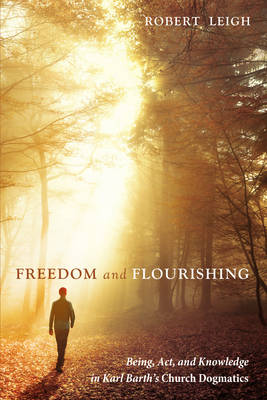
Freedom and Flourishing
Being, Act, and Knowledge in Karl Barth's Church Dogmatics
Robert Leigh
Hardcover | Engels
€ 74,95
+ 149 punten
Uitvoering
Omschrijving
Freedom is vital both to Karl Barth's theology and to modern religion, politics, and culture. Leigh describes how Barth's lifelong fascination by freedom culminated in a fresh, daring engagement with it in his last completed book, volume IV/3 of the massive Church Dogmatics--which is probably the most important work of Christian theology in the twentieth century. That volume builds on Barth's earlier work but also goes beyond it in ways that have not yet been appreciated. Leigh shows how this mature theology of Barth not only responds profoundly to key questions about freedom, both in philosophy and theology, but also opens up a rich, habitable understanding of Jesus Christ, and of life in relationship with him, that is prophetic for the twenty-first century. This involves a dynamic integration of knowing with being, being with action, truth with witness, individual with community, and divine initiative with human flourishing. At the heart of this life with God is participation in the asymmetrical yet utterly reciprocal interaction between human beings and the God who loves them in freedom. Leigh succeeds both in describing this participation convincingly and in demonstrating its provocative attractiveness.
Specificaties
Betrokkenen
- Auteur(s):
- Uitgeverij:
Inhoud
- Aantal bladzijden:
- 264
- Taal:
- Engels
Eigenschappen
- Productcode (EAN):
- 9781498299183
- Verschijningsdatum:
- 9/11/2017
- Uitvoering:
- Hardcover
- Formaat:
- Genaaid
- Afmetingen:
- 152 mm x 229 mm
- Gewicht:
- 562 g


Alleen bij Standaard Boekhandel
+ 149 punten op je klantenkaart van Standaard Boekhandel
Cadeau

AANGERADEN


Beoordelingen
We publiceren alleen reviews die voldoen aan de voorwaarden voor reviews. Bekijk onze voorwaarden voor reviews.