


- Afhalen na 1 uur in een winkel met voorraad
- Gratis thuislevering in België vanaf € 30
- Ruim aanbod met 7 miljoen producten
- Afhalen na 1 uur in een winkel met voorraad
- Gratis thuislevering in België vanaf € 30
- Ruim aanbod met 7 miljoen producten





€ 59,45
+ 118 punten
Uitvoering
Omschrijving
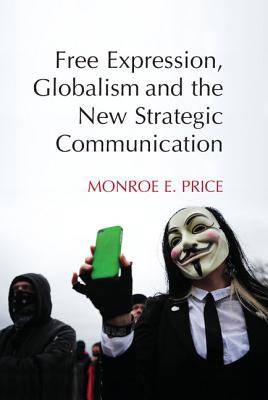
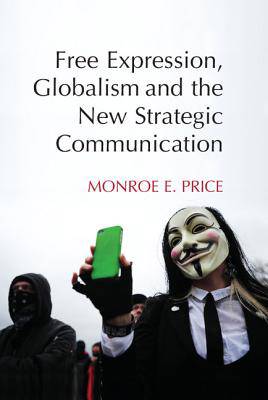
Vast changes in technologies and geopolitics have produced a wholesale shift in the way states and other powerful entities think about the production and retention of popular loyalties. Strategic communication has embraced these changes as stakes increase and the techniques of information management become more pervasive. These shifts in strategic communications impact free speech as major players, in a global context, rhetorically embrace a world of transparency, all the while increasing surveillance and modes of control, turning altered media technologies and traditional media doctrines to their advantage. Building on examples drawn from the Arab Spring, the shaping of the Internet in China, Iran's perception of foreign broadcasting, and Russia's media interventions, this book exposes the anxieties of loss of control, on the one hand, and the missed opportunities for greater freedom, on the other. "New" strategic communication arises from the vast torrents of information that cross borders and uproot old forms of regulation. Not only states but also corporations, nongovernmental organizations, religious institutions, and others have become part of this new constellation of speakers and audiences.
Specificaties
Betrokkenen
- Auteur(s):
- Uitgeverij:
Inhoud
- Aantal bladzijden:
- 286
- Taal:
- Engels
Eigenschappen
- Productcode (EAN):
- 9781107420939
- Verschijningsdatum:
- 15/12/2014
- Uitvoering:
- Paperback
- Formaat:
- Trade paperback (VS)
- Afmetingen:
- 150 mm x 234 mm
- Gewicht:
- 385 g


Alleen bij Standaard Boekhandel
+ 118 punten op je klantenkaart van Standaard Boekhandel
Cadeau

AANGERADEN


Beoordelingen
We publiceren alleen reviews die voldoen aan de voorwaarden voor reviews. Bekijk onze voorwaarden voor reviews.