


- Afhalen na 1 uur in een winkel met voorraad
- Gratis thuislevering in België vanaf € 30
- Ruim aanbod met 7 miljoen producten
- Afhalen na 1 uur in een winkel met voorraad
- Gratis thuislevering in België vanaf € 30
- Ruim aanbod met 7 miljoen producten





€ 32,45
+ 64 punten
Uitvoering
Omschrijving
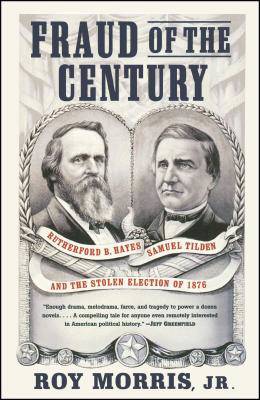
The bitter 1876 contest between Ohio Republican Governor Rutherford B. Hayes and New York Democratic Governor Samuel Tilden was the most sensational and corrupt presidential election in American history. It was also, in many ways, the final battle of the Civil War. Although Tilden received some 265,000 more popular votes than his opponent, and needed only one more electoral vote for victory, contested returns in three southern states still under Republican-controlled Reconstruction governments ultimately led to Hayes's being declared the winner after four tense months of brazen political intrigue and threats of violence that brought armed troops into the streets of the nation's capital. In this major work of popular history and scholarship, Roy Morris, Jr., takes readers to Philadelphia in America's centennial year, where millions celebrated the nation's industrial might and democratic ideals; to the nation's heartland, where Republicans refought the Civil War by waging a cynical "bloody shirt" campaign to tar the Democrats as the party of disunion and rebellion; and finally into the smoke-filled back rooms of Washington, D.C., where the will of the people was thwarted and the newly won rights of four million former slaves were ignored, leading to nearly ninety years of legalized segregation in the South.
Specificaties
Betrokkenen
- Auteur(s):
- Uitgeverij:
Inhoud
- Aantal bladzijden:
- 320
- Taal:
- Engels
- Reeks:
Eigenschappen
- Productcode (EAN):
- 9780743255523
- Verschijningsdatum:
- 1/03/2004
- Uitvoering:
- Paperback
- Formaat:
- Trade paperback (VS)
- Afmetingen:
- 142 mm x 217 mm
- Gewicht:
- 439 g


Alleen bij Standaard Boekhandel
+ 64 punten op je klantenkaart van Standaard Boekhandel
Cadeau

AANGERADEN


Beoordelingen
We publiceren alleen reviews die voldoen aan de voorwaarden voor reviews. Bekijk onze voorwaarden voor reviews.