


- Afhalen na 1 uur in een winkel met voorraad
- Gratis thuislevering in België vanaf € 30
- Ruim aanbod met 7 miljoen producten
- Afhalen na 1 uur in een winkel met voorraad
- Gratis thuislevering in België vanaf € 30
- Ruim aanbod met 7 miljoen producten





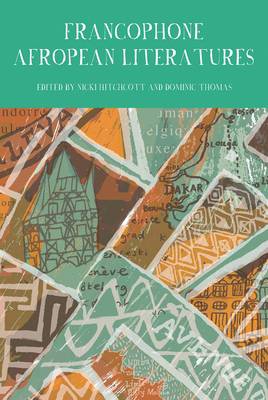
Francophone Afropean Literatures
Hitchcott
€ 92,45
+ 184 punten
Omschrijving
What does Afro-Europe signify? This volume explores the concept and possibility of a black European community by analysing the ways in which contemporary Francophone African writers articulate and interrogate their complex relationships with European society, culture and history. Through the different contributions in this volume, readers will discover the symbiotic ways in which Africa has transformed/been transformed (in/by) Europe and in turn how Africanness has (re)defined Europeanness. To this end, the volume places scholarly articles addressing the relationship between the francophone and Afro-European context alongside new, specially commissioned short stories and essays by some of the most critically-acclaimed and influential producers of Afropean writing today: Fatou Diome, Alain Mabanckou, Léonora Miano, Wilfried N'Sondé, Sami Tchak and Abdourahman Waberi. Works by these authors are discussed in and across the scholarly interventions, generating dialogue around what it means to be 'Francophone' and 'Afropean' in the twenty-first century. At a time when it is no longer easy to define what Europe really is, this book considers to what extent the category 'Afropean' may prove helpful in improving our understanding of the complex ways in which minority communities conceive of identity in Europe today and address the range of issues impacting them. The notion of 'Afropeanism' is of course relatively new, and this book does not claim to offer an exhaustive analysis of the term's usage and/or potential pertinence. Rather, the cultural, political, and social circumstances of Europe today are reflected in discussions surrounding the term and perhaps not surprisingly, in the diverse and diverging perspectives adopted by the scholars and creative writers in this volume.
Specificaties
Betrokkenen
- Auteur(s):
- Uitgeverij:
Inhoud
- Aantal bladzijden:
- 256
- Taal:
- Engels
- Reeks:
- Reeksnummer:
- nr. 5
Eigenschappen
- Productcode (EAN):
- 9781800348844
- Verschijningsdatum:
- 5/01/2021
- Uitvoering:
- Paperback
- Formaat:
- Trade paperback (VS)
- Afmetingen:
- 156 mm x 234 mm
- Gewicht:
- 340 g


Alleen bij Standaard Boekhandel
+ 184 punten op je klantenkaart van Standaard Boekhandel
Cadeau

AANGERADEN


Beoordelingen
We publiceren alleen reviews die voldoen aan de voorwaarden voor reviews. Bekijk onze voorwaarden voor reviews.