


- Afhalen na 1 uur in een winkel met voorraad
- Gratis thuislevering in België vanaf € 30
- Ruim aanbod met 7 miljoen producten
- Afhalen na 1 uur in een winkel met voorraad
- Gratis thuislevering in België vanaf € 30
- Ruim aanbod met 7 miljoen producten





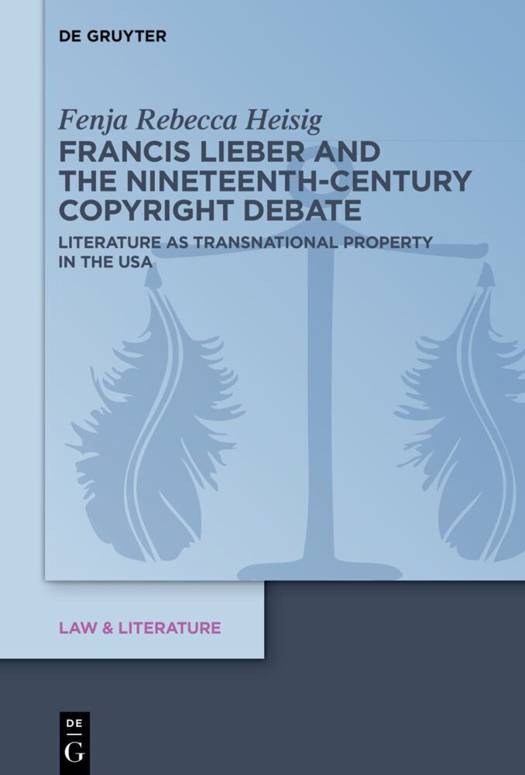
Francis Lieber and the Nineteenth-Century Copyright Debate
Literature as Transnational Property in the USA
Fenja Rebecca Heisig
€ 114,45
+ 228 punten
Omschrijving
Wissenschaftspreis 2026 der Osnabrücker Wissenschaftlichen Gesellschaft
The nineteenth-century copyright debate in the US raised fundamental questions about literature, law, and authorship that still resonate today. This book explores the transnational origins of US national and international copyright law through the works of Francis Lieber (1798-1872), a German American author and professor, who emerged as a key figure in the copyright reform movement. Drawing on his published works as well as extensive archival sources, it highlights Lieber's international network and his role as a transnational mediator. It examines how his advocacy added a transnational dimension to the domestic copyright discourse by introducing continental-European concepts of literary property to the US. By combining legal and literary perspectives, the book carves out Lieber's understanding of authorship and creativity and provides a comprehensive analysis of how he embedded notions of copyright and literary property into broader discourses on citizenship, government, and international cooperation. By tracing the historic origins of copyright law, this study also offers valuable insights into contemporary challenges surrounding intellectual property, technological change, and the role of literature in democratic societies.
Specificaties
Betrokkenen
- Auteur(s):
- Uitgeverij:
Inhoud
- Aantal bladzijden:
- 296
- Taal:
- Engels
- Reeks:
- Reeksnummer:
- nr. 27
Eigenschappen
- Productcode (EAN):
- 9783112239391
- Verschijningsdatum:
- 22/06/2026
- Uitvoering:
- Hardcover
- Formaat:
- Genaaid
- Afmetingen:
- 160 mm x 240 mm


Alleen bij Standaard Boekhandel
+ 228 punten op je klantenkaart van Standaard Boekhandel
Cadeau

AANGERADEN


Beoordelingen
We publiceren alleen reviews die voldoen aan de voorwaarden voor reviews. Bekijk onze voorwaarden voor reviews.