



Bedankt voor het vertrouwen het afgelopen jaar! Om jou te bedanken bieden we GRATIS verzending (in België) aan op alles gedurende de hele maand januari.
- Afhalen na 1 uur in een winkel met voorraad
- In januari gratis thuislevering in België
- Ruim aanbod met 7 miljoen producten
Bedankt voor het vertrouwen het afgelopen jaar! Om jou te bedanken bieden we GRATIS verzending (in België) aan op alles gedurende de hele maand januari.
- Afhalen na 1 uur in een winkel met voorraad
- In januari gratis thuislevering in België
- Ruim aanbod met 7 miljoen producten





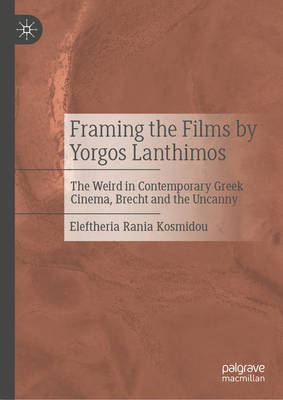
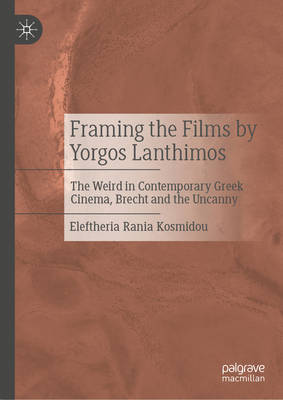
Framing the Films by Yorgos Lanthimos
The Weird in Contemporary Greek Cinema, Brecht and the Uncanny
Eleftheria Rania Kosmidou
Hardcover | Engels
€ 138,95
+ 277 punten
Omschrijving
This book examines the Greek filmmaker Yorgos Lanthimos's feature films. Lanthimos's films have been linked to the so called Greek weird wave in Greek cinema, which is commonly agreed to have started with his Dogtooth (2009), and so they have largely been discussed as national and localised cinematic phenomena allegorically commenting on the Greek economic crisis or society. Lanthimos's distinctive style is discussed in this book in terms of both national and European cinematic traditions, in the latter case specifically Brecht and the aesthetics of the uncanny. The author provides an in-depth, thorough and systematic analysis of the 'weird' mixture of uncanniness and Brecht in Lanthimos's cinema as performing an uncanny transformation of Brechtian aesthetics within the context of Greek and international cinema. As the author proposes, the Brechtian aesthetics, that we also find in the modernist cinema of Theo Angelopoulos, in combination with the aesthetics of the uncanny and the unnatural narratives, is what marks, and links, formally the feature films by Yorgos Lanthimos. The filmmaker's radical film form and subversive thematics are linked to the uncanny here, and this Brechtian uncanny, as the author calls it, redefines Brechtian aesthetics. This unique book will interest scholars and students of film studies, media studies, modern Greek studies, cultural studies, theatre studies, psychology, literary studies, philosophy.
Specificaties
Betrokkenen
- Auteur(s):
- Uitgeverij:
Inhoud
- Aantal bladzijden:
- 144
- Taal:
- Engels
Eigenschappen
- Productcode (EAN):
- 9783032148629
- Verschijningsdatum:
- 15/02/2026
- Uitvoering:
- Hardcover
- Formaat:
- Genaaid
- Afmetingen:
- 148 mm x 210 mm


Alleen bij Standaard Boekhandel
+ 277 punten op je klantenkaart van Standaard Boekhandel
SOLDEN


Beoordelingen
We publiceren alleen reviews die voldoen aan de voorwaarden voor reviews. Bekijk onze voorwaarden voor reviews.