


- Afhalen na 1 uur in een winkel met voorraad
- Gratis thuislevering in België vanaf € 30
- Ruim aanbod met 7 miljoen producten
- Afhalen na 1 uur in een winkel met voorraad
- Gratis thuislevering in België vanaf € 30
- Ruim aanbod met 7 miljoen producten





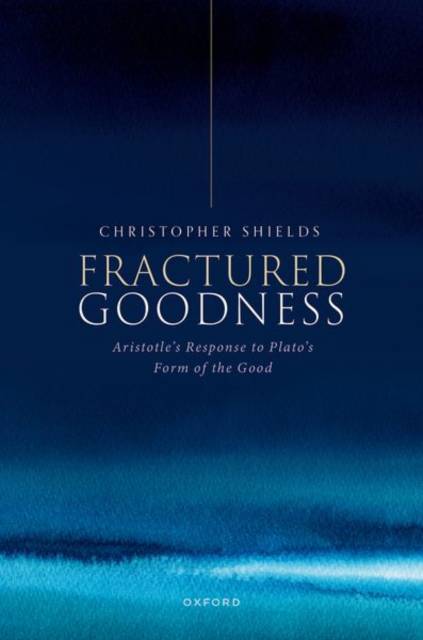
Fractured Goodness
Aristotle's Response to Plato's Form of the Good
Christopher Shields
Hardcover | Engels
€ 169,45
+ 338 punten
Omschrijving
Aristotle offers a searing rejection of Plato's commitment to a Form of the Good; core among his complaints is that goodness is not univocal, that is, that there is no single essence-specifying account of goodness covering all the many varieties of goodness there are. Aristotle's anti-Platonic arguments have been variously received: many of his readers regard them as wholly successful while many others maintain they are abject failures. This volume reconstructs and assesses these arguments afresh and asks a simple question: if they are sound, what is left for Aristotle? In particular, what principles does he have to vouchsafe the commensurability of the good things he himself regards as commensurable?
Specificaties
Betrokkenen
- Auteur(s):
- Uitgeverij:
Inhoud
- Aantal bladzijden:
- 298
- Taal:
- Engels
Eigenschappen
- Productcode (EAN):
- 9780198915690
- Verschijningsdatum:
- 20/09/2024
- Uitvoering:
- Hardcover
- Formaat:
- Genaaid
- Afmetingen:
- 155 mm x 229 mm
- Gewicht:
- 635 g


Alleen bij Standaard Boekhandel
+ 338 punten op je klantenkaart van Standaard Boekhandel
Cadeau

AANGERADEN


Beoordelingen
We publiceren alleen reviews die voldoen aan de voorwaarden voor reviews. Bekijk onze voorwaarden voor reviews.