



- Afhalen na 1 uur in een winkel met voorraad
- In januari gratis thuislevering in België
- Ruim aanbod met 7 miljoen producten
- Afhalen na 1 uur in een winkel met voorraad
- In januari gratis thuislevering in België
- Ruim aanbod met 7 miljoen producten





€ 193,45
+ 386 punten
Omschrijving
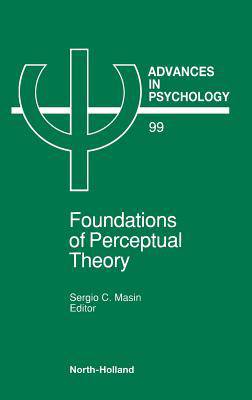
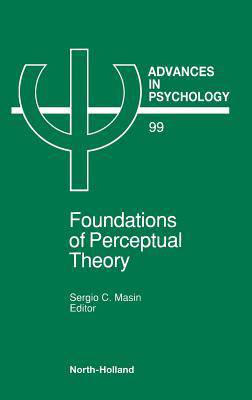
Historical analysis reveals that perceptual theories and models are doomed to relatively short lives. The most popular contemporary theories in perceptual science do not have as wide an acceptance among researchers as do some of those in other sciences. To understand these difficulties, the authors of the present volume explore the conceptual and philosophical foundations of perceptual science. Based on logical analyses of various problems, theories, and models, they offer a number of reasons for the current weakness of perceptual explanations. New theoretical approaches are also proposed. At the end of each chapter, dicussants contribute to the conclusions by critically examining the authors' ideas and analyses.
Specificaties
Betrokkenen
- Uitgeverij:
Inhoud
- Aantal bladzijden:
- 421
- Taal:
- Engels
- Reeks:
- Reeksnummer:
- nr. 99
Eigenschappen
- Productcode (EAN):
- 9780444894960
- Verschijningsdatum:
- 30/06/1993
- Uitvoering:
- Hardcover
- Formaat:
- Genaaid
- Afmetingen:
- 156 mm x 234 mm
- Gewicht:
- 784 g

Alleen bij Standaard Boekhandel
+ 386 punten op je klantenkaart van Standaard Boekhandel
Cadeau

AANGERADEN


Beoordelingen
We publiceren alleen reviews die voldoen aan de voorwaarden voor reviews. Bekijk onze voorwaarden voor reviews.