


- Afhalen na 1 uur in een winkel met voorraad
- Gratis thuislevering in België vanaf € 30
- Ruim aanbod met 7 miljoen producten
- Afhalen na 1 uur in een winkel met voorraad
- Gratis thuislevering in België vanaf € 30
- Ruim aanbod met 7 miljoen producten




Omschrijving
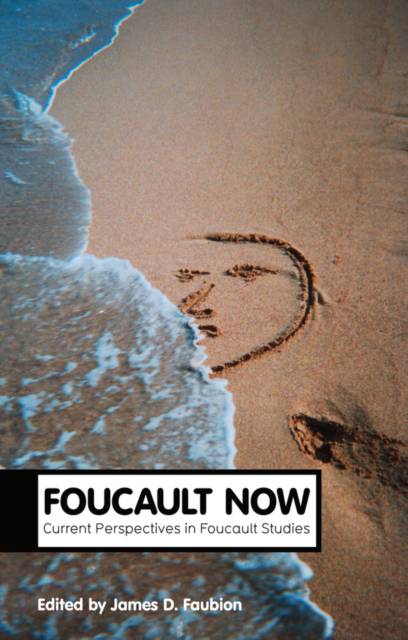
Michel Foucault is recognized as one of the twentieth century's most influential thinkers, however the authors in this volume contend that more use can be made of Foucault than has yet been done and that some of the uses to which Foucault has so far been put run the risk of and occasionally simply amount to misuse.
This interdisciplinary volume brings together a group of esteemed scholars, recognized for their command of and insights into Foucault's oeuvre. They demonstrate the many respects in which Foucault's project of an ontology of the present remains vital and continues to yield compelling insights and show that an ontology of the present is restricted to no particular terrain, but instead ranges widely and on paths that frequently intersect.
The essays in this much-needed new collection address the key components of Foucault's thought, ranging from his approach to power, biopolitics and parrhesia to analysis of key texts such as Folie et Déraison and Histoire de la sexualité.
This collection will spark debate amongst students and scholars alike and demonstrates that that every further encounter with Foucault's corpus is more likely than not to demand a revisiting of interpretations already formulated, conclusions already drawn, uses already devised.
Contributors include Didier Eribon, Eric Fassin, John Forrester, Ian Hacking, Lynne Huffer, Colin Koopman, James Laidlaw, Laurence McFalls, Mariella Pandolfi, Paul Rabinow and Cary Wolfe.
This interdisciplinary volume brings together a group of esteemed scholars, recognized for their command of and insights into Foucault's oeuvre. They demonstrate the many respects in which Foucault's project of an ontology of the present remains vital and continues to yield compelling insights and show that an ontology of the present is restricted to no particular terrain, but instead ranges widely and on paths that frequently intersect.
The essays in this much-needed new collection address the key components of Foucault's thought, ranging from his approach to power, biopolitics and parrhesia to analysis of key texts such as Folie et Déraison and Histoire de la sexualité.
This collection will spark debate amongst students and scholars alike and demonstrates that that every further encounter with Foucault's corpus is more likely than not to demand a revisiting of interpretations already formulated, conclusions already drawn, uses already devised.
Contributors include Didier Eribon, Eric Fassin, John Forrester, Ian Hacking, Lynne Huffer, Colin Koopman, James Laidlaw, Laurence McFalls, Mariella Pandolfi, Paul Rabinow and Cary Wolfe.
Specificaties
Betrokkenen
- Uitgeverij:
Inhoud
- Aantal bladzijden:
- 232
- Taal:
- Engels
- Reeks:
Eigenschappen
- Productcode (EAN):
- 9780745663791
- Verschijningsdatum:
- 31/03/2014
- Uitvoering:
- Paperback
- Formaat:
- Trade paperback (VS)
- Afmetingen:
- 137 mm x 216 mm
- Gewicht:
- 362 g

Alleen bij Standaard Boekhandel
+ 91 punten op je klantenkaart van Standaard Boekhandel
AANGERADEN


Beoordelingen
We publiceren alleen reviews die voldoen aan de voorwaarden voor reviews. Bekijk onze voorwaarden voor reviews.