


- Afhalen na 1 uur in een winkel met voorraad
- Gratis thuislevering in België vanaf € 30
- Ruim aanbod met 7 miljoen producten
- Afhalen na 1 uur in een winkel met voorraad
- Gratis thuislevering in België vanaf € 30
- Ruim aanbod met 7 miljoen producten





€ 140,95
+ 281 punten
Eenvoudig bestellen
Veilig betalen


Gratis thuislevering vanaf € 30 (via bpost)
Gratis levering in je Standaard Boekhandel
Omschrijving
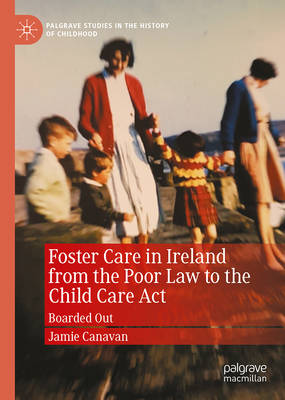
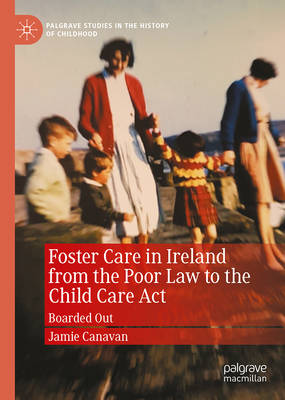
This book traces the social and political history of foster care in Ireland from 1862 to 1991, examining how child welfare policy evolved alongside institutional power, Catholic ideology, and the development of social work as a profession. Using a blend of archival records and oral history interviews with formerly fostered individuals, it uncovers how foster care was shaped by systems of containment, religious influence, and neglect--and how it was eventually reframed as a modern, humane alternative to institutionalisation. While rooted in Irish history, the book speaks to broader themes of state control, reproductive justice, and the politics of care. It also reflects on contemporary efforts at redress and public memory. Rather than framing the history of care solely as one of progress or scandal, the book offers a critical genealogy of Irish welfare, informed by Foucault's notion of the 'history of the present'. It argues that contemporary structures of child protection cannot be fully understood without tracing their entanglement with a century of religious authority, gendered moral surveillance, and institutional containment.
Specificaties
Betrokkenen
- Auteur(s):
- Uitgeverij:
Inhoud
- Taal:
- Engels
- Reeks:
Eigenschappen
- Productcode (EAN):
- 9783032316486
- Verschijningsdatum:
- 29/08/2026
- Uitvoering:
- Hardcover
- Formaat:
- Genaaid
- Afmetingen:
- 148 mm x 210 mm


Alleen bij Standaard Boekhandel
+ 281 punten op je klantenkaart van Standaard Boekhandel
CADEAU

AANGERADEN


Beoordelingen
We publiceren alleen reviews die voldoen aan de voorwaarden voor reviews. Bekijk onze voorwaarden voor reviews.