


- Afhalen na 1 uur in een winkel met voorraad
- Gratis thuislevering in België vanaf € 30
- Ruim aanbod met 7 miljoen producten
- Afhalen na 1 uur in een winkel met voorraad
- Gratis thuislevering in België vanaf € 30
- Ruim aanbod met 7 miljoen producten





€ 306,45
+ 612 punten
Omschrijving
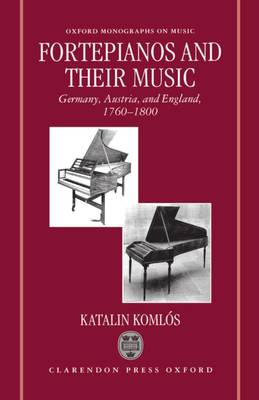
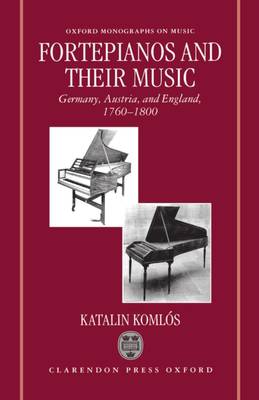
Eighteenth-century pianos shaped and influenced the music that was written for them. However, although organological studies probe the instrument in ever more detail, and musical criticism focuses increasingly on the musical repertoire, the relationship between the two has not been properly examined. This book concentrates on the keyboard writing of the last third of the eighteenth century, as inspired by the fundamentally different constructions of the German/Viennese and the English pianoforte. The highly articulated languages of Mozart and his Viennese contemporaries, and the more robust, pre-romantic style of Duzzek and his London colleagues reflect the very characteristics of these respective instruments. Beyond the scrutiny of the music, attention is given also to the players. The differentiation between professionals and amateurs is addressed, and contemporary sources help provide a description of late eighteenth-century performing styles; such a survey offers new insight into the living art of the pianoforte during a most important period in its history.
Specificaties
Betrokkenen
- Auteur(s):
- Uitgeverij:
Inhoud
- Aantal bladzijden:
- 172
- Taal:
- Engels
- Reeks:
Eigenschappen
- Productcode (EAN):
- 9780198164265
- Verschijningsdatum:
- 11/05/1995
- Uitvoering:
- Hardcover
- Formaat:
- Genaaid
- Afmetingen:
- 166 mm x 241 mm
- Gewicht:
- 444 g


Alleen bij Standaard Boekhandel
+ 612 punten op je klantenkaart van Standaard Boekhandel
Cadeau

AANGERADEN


Beoordelingen
We publiceren alleen reviews die voldoen aan de voorwaarden voor reviews. Bekijk onze voorwaarden voor reviews.