


- Afhalen na 1 uur in een winkel met voorraad
- Gratis thuislevering in België vanaf € 30
- Ruim aanbod met 7 miljoen producten
- Afhalen na 1 uur in een winkel met voorraad
- Gratis thuislevering in België vanaf € 30
- Ruim aanbod met 7 miljoen producten





€ 89,95
+ 179 punten
Omschrijving
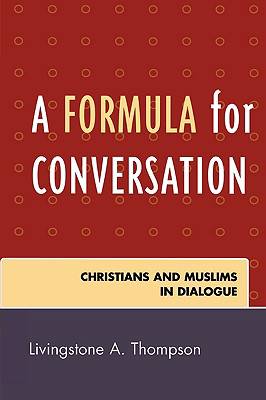
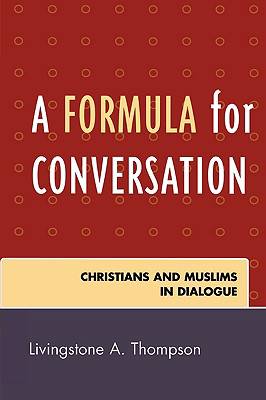
Beginning with the presupposition that Christians and Muslims will forever be living side-by-side, this work is an attempt to face squarely the question of what Christians can truly say about Islam. Recognizing the differences in doctrinal emphases in Christianity, a critical methodology is that the argument is developed from the point of view of a particular Christian communion, so as to give concreteness to the argument. Such a communion has to be carefully chosen in order to find acceptability across the whole spectrum of the Christian faith. To a large extent the relationship between Christians and Muslims is characterized by mutual ignorance of those things that are essential to their faiths. That ignorance is also reinforced by media depictions of half-truths or untruths. A Formula for Conversation looks at the doctrines that both communities consider non-negotiable. It is the possibility of being able to say something of Islam that the Muslim would be happy to accept and that Christians can identify with that creates a moment for dialogue.
Specificaties
Betrokkenen
- Auteur(s):
- Uitgeverij:
Inhoud
- Aantal bladzijden:
- 112
- Taal:
- Engels
Eigenschappen
- Productcode (EAN):
- 9780761836391
- Verschijningsdatum:
- 26/04/2007
- Uitvoering:
- Paperback
- Formaat:
- Trade paperback (VS)
- Afmetingen:
- 159 mm x 228 mm
- Gewicht:
- 185 g


Alleen bij Standaard Boekhandel
+ 179 punten op je klantenkaart van Standaard Boekhandel
Cadeau

AANGERADEN


Beoordelingen
We publiceren alleen reviews die voldoen aan de voorwaarden voor reviews. Bekijk onze voorwaarden voor reviews.