


- Afhalen na 1 uur in een winkel met voorraad
- Gratis thuislevering in België vanaf € 30
- Ruim aanbod met 7 miljoen producten
- Afhalen na 1 uur in een winkel met voorraad
- Gratis thuislevering in België vanaf € 30
- Ruim aanbod met 7 miljoen producten





€ 79,95
+ 159 punten
Uitvoering
Omschrijving
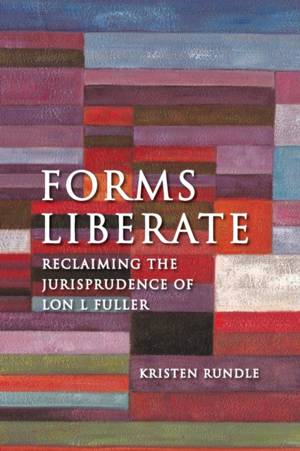
Lon L Fuller's account of what he termed 'the internal morality of law' is widely accepted as the classic twentieth century statement of the principles of the rule of law. Much less accepted is his claim that a necessary connection between law and morality manifests in these principles, with the result that his jurisprudence largely continues to occupy a marginal place in the field of legal philosophy.
In 'Forms Liberate: Reclaiming the Jurisprudence of Lon L Fuller', Kristen Rundle offers a close textual analysis of Fuller's published writings and working papers to explain how his claims about the internal morality of law belong to a wider exploration of the ways in which the distinctive form of law introduces meaningful limits to lawgiving power through its connection to human agency. By reading Fuller on his own terms, 'Forms Liberate' demonstrates why his challenge to a purely instrumental conception of law remains salient for twenty-first century legal scholarship.Specificaties
Betrokkenen
- Auteur(s):
- Uitgeverij:
Inhoud
- Aantal bladzijden:
- 222
- Taal:
- Engels
Eigenschappen
- Productcode (EAN):
- 9781849464963
- Verschijningsdatum:
- 28/08/2013
- Uitvoering:
- Paperback
- Formaat:
- Trade paperback (VS)
- Afmetingen:
- 156 mm x 234 mm
- Gewicht:
- 317 g


Alleen bij Standaard Boekhandel
+ 159 punten op je klantenkaart van Standaard Boekhandel
Cadeau

AANGERADEN


Beoordelingen
We publiceren alleen reviews die voldoen aan de voorwaarden voor reviews. Bekijk onze voorwaarden voor reviews.