


- Afhalen na 1 uur in een winkel met voorraad
- Gratis thuislevering in België vanaf € 30
- Ruim aanbod met 7 miljoen producten
- Afhalen na 1 uur in een winkel met voorraad
- Gratis thuislevering in België vanaf € 30
- Ruim aanbod met 7 miljoen producten





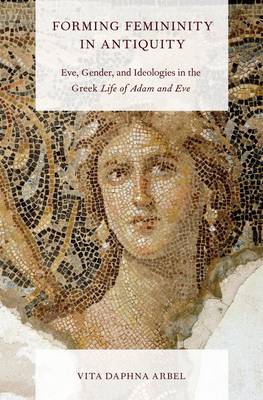
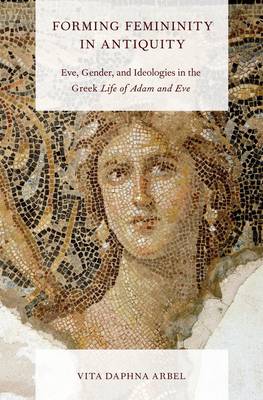
Forming Femininity in Antiquity
Eve, Gender, and Ideologies in the Greek Life of Adam and Eve
Vita Daphna Arbel
Hardcover | Engels
€ 241,95
+ 483 punten
Eenvoudig bestellen
Veilig betalen


Gratis thuislevering vanaf € 30 (via bpost)
Gratis levering in je Standaard Boekhandel
Omschrijving
In Forming Femininity in Antiquity, Vita Daphna Arbel investigates depictions of the emblematic Eve that are embedded in one of the most influential accounts of Adam and Eve after the Hebrew Bible, namely the apocryphal Greek Life of Adam and Eve (GLAE) from antiquity. Treating the figure of Eve as a culturally constructed representation of ''woman, '' Arbel examines a crucial transformative stage in the literary and conceptual discourse of Eve, with a focus on several pivotal issues that have not been looked at in previous scholarship. She offers a nuanced analysis of the GLAE's multifaceted and at times contradictory portrayals of Eve and, by extension, women. She also situates these depictions in the hybrid Greco-Roman cultural world in which they emerged, and discusses the extent to which they both reflect and construct contemporaneous overlapping and competing concepts and norms regarding Eve/women's standing, role, authority, and realms of experiences. Finally, Arbel
examines how the GLAE's representations of Eve/women resonate with later Jewish and Christian traditions, which often characterize the figure of Eve in accordance with views that are embedded in the GLAE, rather than in Genesis.
examines how the GLAE's representations of Eve/women resonate with later Jewish and Christian traditions, which often characterize the figure of Eve in accordance with views that are embedded in the GLAE, rather than in Genesis.
Specificaties
Betrokkenen
- Auteur(s):
- Uitgeverij:
Inhoud
- Aantal bladzijden:
- 252
- Taal:
- Engels
Eigenschappen
- Productcode (EAN):
- 9780199837779
- Verschijningsdatum:
- 24/01/2012
- Uitvoering:
- Hardcover
- Formaat:
- Ongenaaid / garenloos gebonden
- Afmetingen:
- 145 mm x 213 mm
- Gewicht:
- 376 g


Alleen bij Standaard Boekhandel
+ 483 punten op je klantenkaart van Standaard Boekhandel
CADEAU

AANGERADEN


Beoordelingen
We publiceren alleen reviews die voldoen aan de voorwaarden voor reviews. Bekijk onze voorwaarden voor reviews.