



- Afhalen na 1 uur in een winkel met voorraad
- In januari gratis thuislevering in België
- Ruim aanbod met 7 miljoen producten
- Afhalen na 1 uur in een winkel met voorraad
- In januari gratis thuislevering in België
- Ruim aanbod met 7 miljoen producten





€ 32,45
+ 64 punten
Omschrijving
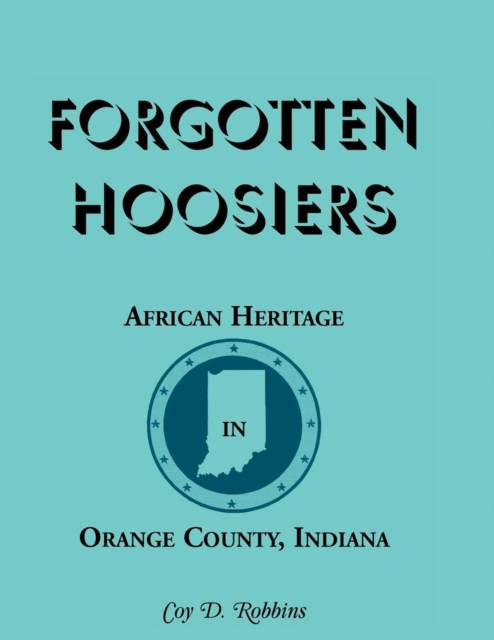
Following an introductory essay on African heritage in Indiana, this well-researched book presents the story of pioneers of color who came primarily from North Carolina and Virginia, and bought land in Orange County. Fifteen chapters cover the founding of the Lick Creek Settlement, known locally as "Little Africa" and situated now in the Hoosier National Forest area; plus abstracts of land, marriages, wills, estates, indentures and apprenticeships, and certificates of freedom records (1823-1851) found in the courthouse. This volume also provides data from the "Register of Negroes and Mulattos" mandated by the 1852 Indiana law; sketches the twenty soldiers who fought with the U.S. Colored Troops during the Civil War; summarizes pioneer religion and churches (including colored membership in white Methodist churches, the advent of African Methodism, and the establishment of African Methodist Episcopal (AME) and First Baptist Churches); lists the cemeteries and burying grounds; discusses early Indiana education and the racially segregated Dunbar School (1911-1937); and, tells about the seasonal employees in the French Lick and West Baden Springs resort hotels who formed their own Knights of Pythias and Masonic lodges early in this century. Contributing a vital history of Midwestern African Americans in the antebellum era, this book also includes a wealth of genealogical data. Histories of the Scott, Roberts, Newby and Thomas families are presented with details collected during the author's travels in Indiana, Ohio, Virginia, Maryland, North Carolina, and Canada. There are four appendices including U.S. Census populations, 1820-1910. Tables, charts, and maps enhance the book a great deal. An index will help locate people and places.
Specificaties
Betrokkenen
- Auteur(s):
- Uitgeverij:
Inhoud
- Aantal bladzijden:
- 240
- Taal:
- Engels
Eigenschappen
- Productcode (EAN):
- 9780788400179
- Verschijningsdatum:
- 1/08/2013
- Uitvoering:
- Paperback
- Formaat:
- Trade paperback (VS)
- Afmetingen:
- 216 mm x 279 mm
- Gewicht:
- 566 g


Alleen bij Standaard Boekhandel
+ 64 punten op je klantenkaart van Standaard Boekhandel
Cadeau

AANGERADEN


Beoordelingen
We publiceren alleen reviews die voldoen aan de voorwaarden voor reviews. Bekijk onze voorwaarden voor reviews.