


- Afhalen na 1 uur in een winkel met voorraad
- Gratis thuislevering in België vanaf € 30
- Ruim aanbod met 7 miljoen producten
- Afhalen na 1 uur in een winkel met voorraad
- Gratis thuislevering in België vanaf € 30
- Ruim aanbod met 7 miljoen producten





€ 174,95
+ 349 punten
Uitvoering
Omschrijving
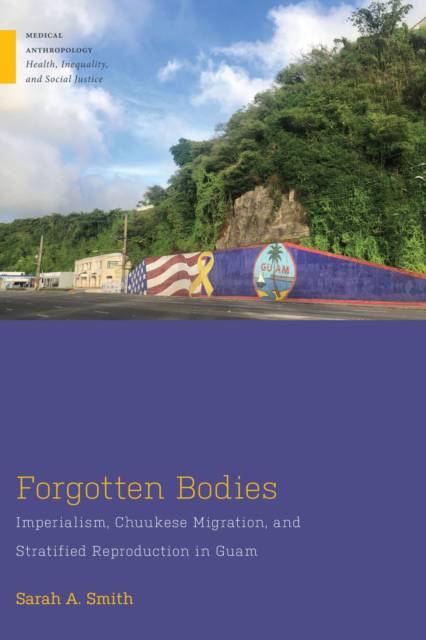
Women from Chuuk, Federated States of Micronesia, who migrate to Guam, a U.S. territory, suffer disproportionately poor reproductive health outcomes. Though their access to the United States is unusually easy, through a unique migration agreement, it keeps them in a perpetual liminal state as nonimmigrants, who never fully belong as part of the United States Chuukese women move to Guam, sometimes with their families but sometimes alone, in search of a better life: for jobs, for the education system, or to access safe health care. Yet, the imperial system they encounter creates underlying conditions that greatly and disproportionately impact their ability to succeed and thrive, negatively impacting their reproductive health. Through clinical and community ethnography, Sarah A. Smith illuminates the way this system stratifies women's reproduction at structural, social, and individual levels. Readers can visualize how U.S. imperialist policies of benign neglect control the body politic, change the social body, and render individual bodies vulnerable in the twenty-first century but also how people resist.
Specificaties
Betrokkenen
- Auteur(s):
- Uitgeverij:
Inhoud
- Aantal bladzijden:
- 234
- Taal:
- Engels
- Reeks:
Eigenschappen
- Productcode (EAN):
- 9781978832619
- Verschijningsdatum:
- 10/11/2023
- Uitvoering:
- Hardcover
- Formaat:
- Genaaid
- Afmetingen:
- 152 mm x 229 mm
- Gewicht:
- 453 g


Alleen bij Standaard Boekhandel
+ 349 punten op je klantenkaart van Standaard Boekhandel
Cadeau

AANGERADEN


Beoordelingen
We publiceren alleen reviews die voldoen aan de voorwaarden voor reviews. Bekijk onze voorwaarden voor reviews.