


- Afhalen na 1 uur in een winkel met voorraad
- Gratis thuislevering in België vanaf € 30
- Ruim aanbod met 7 miljoen producten
- Afhalen na 1 uur in een winkel met voorraad
- Gratis thuislevering in België vanaf € 30
- Ruim aanbod met 7 miljoen producten





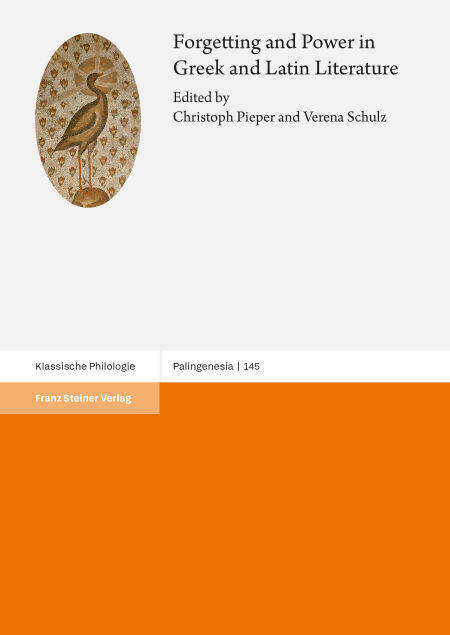
Forgetting and Power in Greek and Latin Literature E-BOOK
€ 70,00
+ 70 punten
Uitvoering
Omschrijving
Forgetting pervades Greek and Roman culture: it shapes the underworld, divine spheres, and human life. Forgetting stands at the beginning of life, when the souls of the dead drink forgetfulness from the river Lethe in the underworld before they are reborn. In Hesiod, Lethe (Forgetfulness) is personified as a goddess, the daughter of Eris (Strife). In Ovid, lovers seeking to forget an unhappy love affair turn to the god Amor Lethaeus for help.
This e-book analyses different forms of forgetting and their relationship to textual, authorial, and political power in Greek and Latin literary texts, spanning from Homer to Roman imperial literature and including a wide variety of genres. All chapters share a common focus: the processes and instances of forgetting they examine were not completely successful. The types of forgetting discussed are multifaceted: they range from unconscious to conscious ignorance and the fading of unwanted memories, to more forceful forms such as overwriting and active suppression, as well as marked forgetting that paradoxically results in un-forgetting.
This e-book analyses different forms of forgetting and their relationship to textual, authorial, and political power in Greek and Latin literary texts, spanning from Homer to Roman imperial literature and including a wide variety of genres. All chapters share a common focus: the processes and instances of forgetting they examine were not completely successful. The types of forgetting discussed are multifaceted: they range from unconscious to conscious ignorance and the fading of unwanted memories, to more forceful forms such as overwriting and active suppression, as well as marked forgetting that paradoxically results in un-forgetting.
Specificaties
Betrokkenen
- Uitgeverij:
Inhoud
- Aantal bladzijden:
- 317
- Taal:
- Engels
- Reeks:
Eigenschappen
- Productcode (EAN):
- 9783515140256
- Verschijningsdatum:
- 25/11/2025
- Uitvoering:
- E-book
- Beveiligd met:
- Digital watermarking
- Formaat:

Alleen bij Standaard Boekhandel
+ 70 punten op je klantenkaart van Standaard Boekhandel
Cadeau

AANGERADEN


Beoordelingen
We publiceren alleen reviews die voldoen aan de voorwaarden voor reviews. Bekijk onze voorwaarden voor reviews.