


- Afhalen na 1 uur in een winkel met voorraad
- Gratis thuislevering in België vanaf € 30
- Ruim aanbod met 7 miljoen producten
- Afhalen na 1 uur in een winkel met voorraad
- Gratis thuislevering in België vanaf € 30
- Ruim aanbod met 7 miljoen producten





€ 16,95
+ 33 punten
Omschrijving
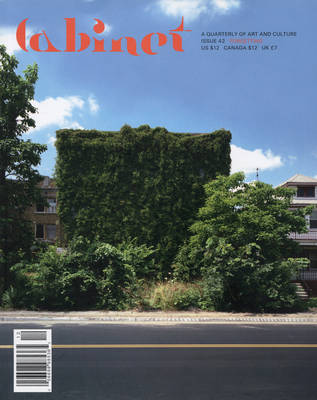
Across fields as disparate as historiography, psychiatry and anthropology, remembering was long considered primary and forgetting simply a malfunction of recall. But after figures such as Nietzsche and Freud, the act of forgetting has undergone a wholesale reevaluation; for many modern thinkers, active forgetting is the precondition for living. Cabinet issue 42 features Jennifer J. Almontez on Greek orators' mnemonic system of creating vast "memory palaces"; Chip Chapman on forgetting and the creation of national myths; Sophia Hall on animal memory and obedience training methods; an interview with Jean-Yves Le Naour on the story of Anthelme Mangin, France's best-known WWI amnesiac; and a portfolio featuring artist-designed monuments to forgetting. Elsewhere in the issue: Brigid Doherty on British analyst Wilfred Bion's notation for the unknown; Allen S. Weiss on the dance macabre; Erica Owen on the relationship between nineteenth-century racial theories and the creation of the modern valuation system for "precious" and "semi-precious" stones; and much more.

Alleen bij Standaard Boekhandel
+ 33 punten op je klantenkaart van Standaard Boekhandel
Cadeau

AANGERADEN


Beoordelingen
We publiceren alleen reviews die voldoen aan de voorwaarden voor reviews. Bekijk onze voorwaarden voor reviews.