


- Afhalen na 1 uur in een winkel met voorraad
- Gratis thuislevering in België vanaf € 30
- Ruim aanbod met 7 miljoen producten
- Afhalen na 1 uur in een winkel met voorraad
- Gratis thuislevering in België vanaf € 30
- Ruim aanbod met 7 miljoen producten





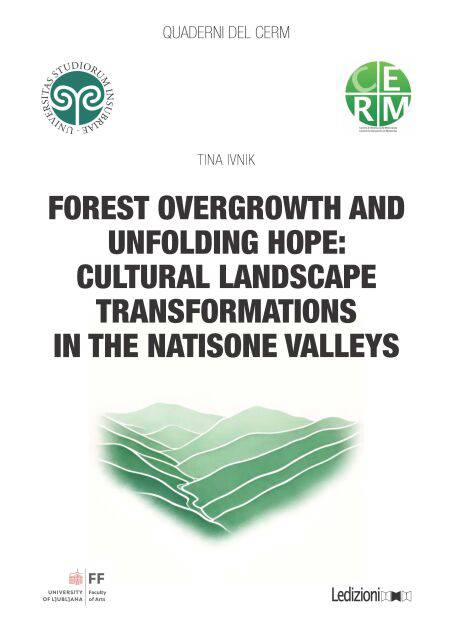
Forest Overgrowth and Unfolding Hope E-BOOK
Cultural Landscape Transformations in the Natisone Valleys
Tina Ivnik
€ 12,99
+ 12 punten
Omschrijving
The monograph Forest Overgrowth and Unfolding Hope examines the transformation of the cultural landscape of the Natisone Valleys. This remote border region has undergone significant change from the second half of the twentieth century to the present day. What was once a predominantly agrarian society has been radically reshaped; formerly densely populated villages have emptied, and cultivated land has gradually been overtaken by forest.
The monograph sheds light both on local understandings of these transformations and on the reasons behind them. To this end, it analyses the social memories of residents – especially of the generation that was directly involved in these processes, observed them, experienced them, and made sense of them. It also offers a detailed account of past and present practices of care for four key landscape elements: meadows, chestnut trees, dry‑stone terraces, and paths. While these elements were once essential for people's survival, today they are acquiring new meanings. For some inhabitants, their overgrowth symbolizes the inevitable decline of the area; for others, it represents an opportunity to revitalize these places, inspiring hope for a better future for the Natisone Valleys.
The monograph sheds light both on local understandings of these transformations and on the reasons behind them. To this end, it analyses the social memories of residents – especially of the generation that was directly involved in these processes, observed them, experienced them, and made sense of them. It also offers a detailed account of past and present practices of care for four key landscape elements: meadows, chestnut trees, dry‑stone terraces, and paths. While these elements were once essential for people's survival, today they are acquiring new meanings. For some inhabitants, their overgrowth symbolizes the inevitable decline of the area; for others, it represents an opportunity to revitalize these places, inspiring hope for a better future for the Natisone Valleys.
Specificaties
Betrokkenen
- Auteur(s):
- Uitgeverij:
Inhoud
- Aantal bladzijden:
- 472
- Taal:
- Engels
- Reeks:
Eigenschappen
- Productcode (EAN):
- 9791256006434
- Verschijningsdatum:
- 12/03/2026
- Uitvoering:
- E-book
- Beveiligd met:
- Digital watermarking
- Formaat:
- ePub


Alleen bij Standaard Boekhandel
+ 12 punten op je klantenkaart van Standaard Boekhandel
Cadeau

AANGERADEN


Beoordelingen
We publiceren alleen reviews die voldoen aan de voorwaarden voor reviews. Bekijk onze voorwaarden voor reviews.