


- Afhalen na 1 uur in een winkel met voorraad
- Gratis thuislevering in België vanaf € 30
- Ruim aanbod met 7 miljoen producten
- Afhalen na 1 uur in een winkel met voorraad
- Gratis thuislevering in België vanaf € 30
- Ruim aanbod met 7 miljoen producten





€ 16,95
+ 33 punten
Omschrijving
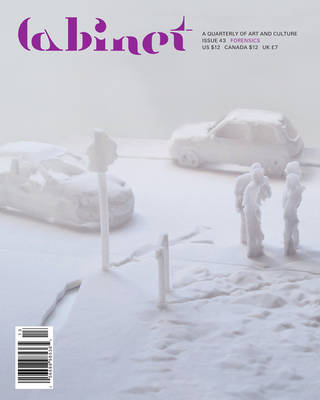
Derived from the Latin "forensis," the word forensics refers to the "forum" and designates the practice of making an argument by using objects before a professional, political or legal gathering. Cabinet issue 43, with a special section on "Forensics" edited by Eyal Weizman, features Weizman on the changing role of forensics following the discovery of the body of Nazi war criminal Josef Mengele; Lawrence abu-Hamdan on the use by the British police of minute shifts in electrical signatures to precisely date recorded phone conversations; an interview with legendary forensic anthropologist Clyde Snow; and artist projects by Hito Steyerl and Fareed Armaly. Elsewhere in the issue: Rachel Berwick on "zugunrühe," a term coined in the 1950s to describe the phenomenon of nighttime restlessness of birds about to migrate; D. Graham Burnett and Sal Randolph's guide to identifying paper shredder patterns in order to reassemble destroyed documents; an artist project by Amie Siegel; and much more.

Alleen bij Standaard Boekhandel
+ 33 punten op je klantenkaart van Standaard Boekhandel
Cadeau

AANGERADEN


Beoordelingen
We publiceren alleen reviews die voldoen aan de voorwaarden voor reviews. Bekijk onze voorwaarden voor reviews.