


- Afhalen na 1 uur in een winkel met voorraad
- Gratis thuislevering in België vanaf € 30
- Ruim aanbod met 7 miljoen producten
- Afhalen na 1 uur in een winkel met voorraad
- Gratis thuislevering in België vanaf € 30
- Ruim aanbod met 7 miljoen producten





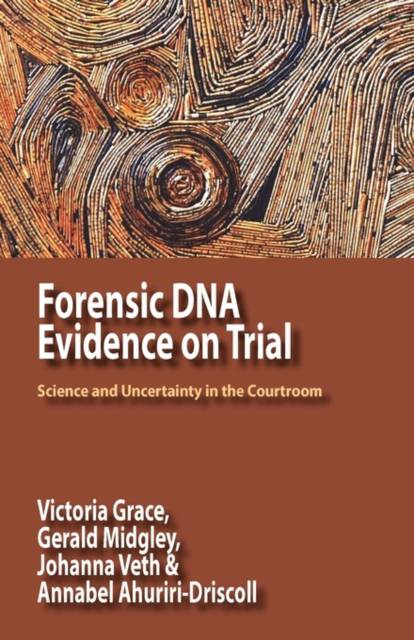
Forensic DNA Evidence on Trial
Science and Uncertainty in the Courtroom
Victoria Grace, Gerald Midgley, Johanna Veth
Paperback | Engels
€ 25,45
+ 50 punten
Omschrijving
When juries hear forensic DNA evidence presented in court, what does it mean to them? And does it mean the same for police officers, lawyers and forensic scientists? If jurors, scientists and others have fundamentally different understandings of DNA evidence, what are the implications for criminal justice? This original book asks and answers these challenging questions. Drawing upon their own ground-breaking research, the authors demonstrate that major assumptions about science influence how forensic DNA evidence is interpreted. Forensic scientists appreciate that there is always an element of uncertainty involved in the production of scientific evidence, but this comes as a rude awakening to most jurors who have their faith in the certainty of science undermined. As a result, jurors can become confused and make errors-sometimes overrating and sometimes underrating the value of DNA evidence when deciding on guilt or innocence. This clearly has significance for the role of such evidence in criminal justice. While some people working in the criminal justice system would prefer scientists to hide uncertainty, the authors of this book mount a robust case for both juries and lawyers becoming better informed about the inevitable uncertainties of science.
Specificaties
Betrokkenen
- Auteur(s):
- Uitgeverij:
Inhoud
- Aantal bladzijden:
- 102
- Taal:
- Engels
Eigenschappen
- Productcode (EAN):
- 9780984216543
- Verschijningsdatum:
- 14/02/2011
- Uitvoering:
- Paperback
- Formaat:
- Trade paperback (VS)
- Afmetingen:
- 129 mm x 198 mm
- Gewicht:
- 108 g


Alleen bij Standaard Boekhandel
+ 50 punten op je klantenkaart van Standaard Boekhandel
Cadeau

AANGERADEN


Beoordelingen
We publiceren alleen reviews die voldoen aan de voorwaarden voor reviews. Bekijk onze voorwaarden voor reviews.