


- Afhalen na 1 uur in een winkel met voorraad
- Gratis thuislevering in België vanaf € 30
- Ruim aanbod met 7 miljoen producten
- Afhalen na 1 uur in een winkel met voorraad
- Gratis thuislevering in België vanaf € 30
- Ruim aanbod met 7 miljoen producten





€ 70,95
+ 141 punten
Uitvoering
Omschrijving
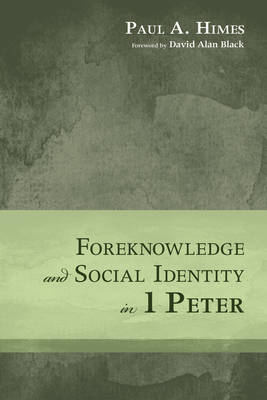
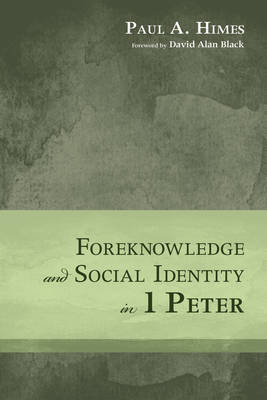
What is the meaning and significance of foreknowledge in the book of 1 Peter, and how does the concept relate to the circumstances of its first recipients? Himes attempts to answer these questions by examining the concepts of both foreknowledge and social identity within the first century and how they fit into the theology of 1 Peter. In the process of elaborating the concepts of foreknowledge and social identity, this study provides one of the first thorough examinations of the words prognosis and proginosko in the literature of the time period when 1 Peter was composed and circulated. Himes argues that these words are linguistically relevant to how early hearers and readers would have understood the message of 1 Peter. In addition, this volume provides a thorough analysis of social-scientific criticism in 1 Peter, paying special attention to the various views about the social circumstances of the epistle's recipients. Finally, this book concerns itself with the biblical theology of 1 Peter, and with how the concept of foreknowledge functions as a word of comfort and hope to the beleaguered audience of this epistle.
Specificaties
Betrokkenen
- Auteur(s):
- Uitgeverij:
Inhoud
- Aantal bladzijden:
- 240
- Taal:
- Engels
Eigenschappen
- Productcode (EAN):
- 9781498227018
- Verschijningsdatum:
- 12/09/2014
- Uitvoering:
- Hardcover
- Formaat:
- Genaaid
- Afmetingen:
- 152 mm x 229 mm
- Gewicht:
- 494 g


Alleen bij Standaard Boekhandel
+ 141 punten op je klantenkaart van Standaard Boekhandel

Beoordelingen
We publiceren alleen reviews die voldoen aan de voorwaarden voor reviews. Bekijk onze voorwaarden voor reviews.