


- Afhalen na 1 uur in een winkel met voorraad
- Gratis thuislevering in België vanaf € 30
- Ruim aanbod met 7 miljoen producten
- Afhalen na 1 uur in een winkel met voorraad
- Gratis thuislevering in België vanaf € 30
- Ruim aanbod met 7 miljoen producten





€ 76,45
+ 152 punten
Omschrijving
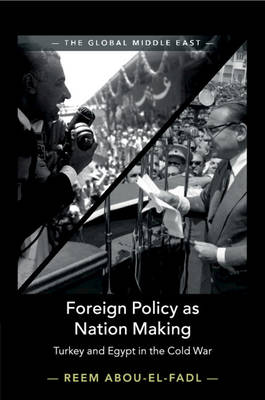
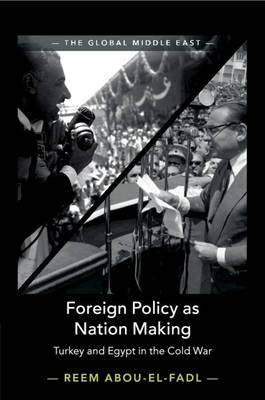
After the Second World War, Turkey and Egypt were among the most dynamic actors in the Middle East. Their 1950s foreign policies presented a puzzle, however: Turkey's Democrat Party pursued NATO membership and sponsored the pro-Western Baghdad Pact regionally, while Egypt's Free Officers promoted neutralism and pan-Arab alliances. This book asks why: what explains this divergence in a shared historical space? Rethinking foreign policy as an important site for the realisation of nationalist commitments, Abou-El-Fadl finds the answer in the contrasting nation making projects pursued by the two leaderships, each politicised differently through experiences of war, imperialism and underdevelopment. Drawing on untapped Turkish and Arabic sources, and critically engaging with theories of postcolonial nationalism, she emphasises local actors' agency in striving to secure national belonging, sovereignty and progress in the international field. Her analysis sheds light on the contemporary legacies of the decade which cemented Turkey's position in the Western Bloc and Egypt's reputation as Arab leader.
Specificaties
Betrokkenen
- Auteur(s):
- Uitgeverij:
Inhoud
- Aantal bladzijden:
- 384
- Taal:
- Engels
- Reeks:
- Reeksnummer:
- nr. 6
Eigenschappen
- Productcode (EAN):
- 9781108468442
- Verschijningsdatum:
- 18/06/2020
- Uitvoering:
- Paperback
- Formaat:
- Trade paperback (VS)
- Afmetingen:
- 152 mm x 229 mm
- Gewicht:
- 512 g


Alleen bij Standaard Boekhandel
+ 152 punten op je klantenkaart van Standaard Boekhandel
Cadeau

AANGERADEN


Beoordelingen
We publiceren alleen reviews die voldoen aan de voorwaarden voor reviews. Bekijk onze voorwaarden voor reviews.