


- Afhalen na 1 uur in een winkel met voorraad
- Gratis thuislevering in België vanaf € 30
- Ruim aanbod met 7 miljoen producten
- Afhalen na 1 uur in een winkel met voorraad
- Gratis thuislevering in België vanaf € 30
- Ruim aanbod met 7 miljoen producten





€ 79,50
+ 159 punten
Omschrijving
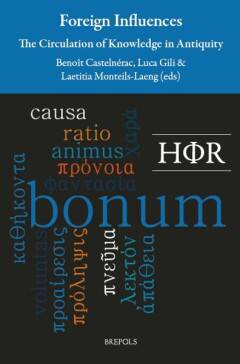
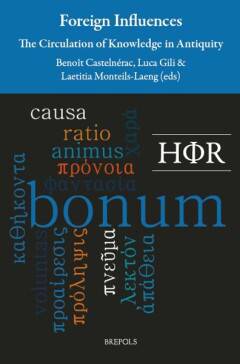
The essays collected in this volume focus on the Ancient Greeks' perception of foreigners and of foreign lands as potential sources of knowledge. They aim at exploring the hypothesis that the most adventurous intellectuals saw foreign lands and foreigners as repositories of knowledge that the Greeks σοφοί had to engage with, in the hope of bringing back home valuables in the form of new ideas. It is a common place to state that the "Greeks" displayed xenophobia, which is probably best exemplified in the binary and ethnocentric division of humanity in two groups: the Greek world (i.e., the hellenophones) and the others, the Barbarians - those who speak foreign languages. This attitude of insularism and defiance, however, did not hinder the curiosity of Greek and Roman societies towards strangers. Lycurgus, Pythagoras, Democritus, etc.: there is a long list of sages and philosophers who travelled around the world for a significant period of time. The Greeks had a rich and varied relationship with foreign lands and people, which made possible a real circulation of knowledge throughout the Archaic, Classical and Hellenistic times; this is also true of the Roman Empire. Each of the articles included in this collective work explore one aspect of the "stranger" as a possible source of knowledge, with contributions mostly focused on Plato, Xenophon, Democritus, Aristotle, Diogenes, Cicero and Galen.
Specificaties
Betrokkenen
- Auteur(s):
- Uitgeverij:
Inhoud
- Aantal bladzijden:
- 304
- Taal:
- Engels
- Reeks:
- Reeksnummer:
- nr. 16
Eigenschappen
- Productcode (EAN):
- 9782503598956
- Verschijningsdatum:
- 25/04/2024
- Uitvoering:
- Paperback
- Formaat:
- Trade paperback (VS)
- Gewicht:
- 503 g


Alleen bij Standaard Boekhandel
+ 159 punten op je klantenkaart van Standaard Boekhandel
Cadeau

AANGERADEN


Beoordelingen
We publiceren alleen reviews die voldoen aan de voorwaarden voor reviews. Bekijk onze voorwaarden voor reviews.