


- Afhalen na 1 uur in een winkel met voorraad
- Gratis thuislevering in België vanaf € 30
- Ruim aanbod met 7 miljoen producten
- Afhalen na 1 uur in een winkel met voorraad
- Gratis thuislevering in België vanaf € 30
- Ruim aanbod met 7 miljoen producten





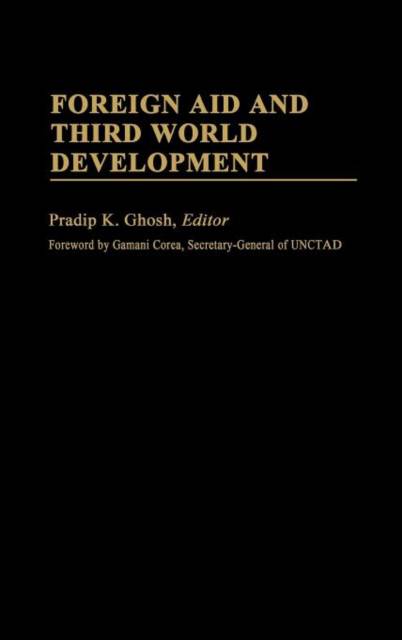
Foreign Aid and Third World Development
Pradip K Ghosh
€ 152,95
+ 305 punten
Omschrijving
Financial aid given or loaned to developing countries for their accelerated economic and social progress is a key element of international development cooperation. Many complex questions are raised by these external assistance programs. The size of the credit line from donor or lender countries and the terms on which these countries provide the funds are issues of primary concern. The rational and equitable distribution of foreign aid has gained new importance because of the recent weak economic conditions of developed countries and the widely varying social and political conditions prevailing in the Third World. Eleven articles document and analyze current aid distribution policies and the development needs of recipient countries. The conclusions reached in these articles provide a basis for a new and sharper focus on aid to developing countries.
Specificaties
Betrokkenen
- Auteur(s):
- Uitgeverij:
Inhoud
- Aantal bladzijden:
- 365
- Taal:
- Engels
- Reeks:
Eigenschappen
- Productcode (EAN):
- 9780313241468
- Verschijningsdatum:
- 25/09/1984
- Uitvoering:
- Hardcover
- Formaat:
- Genaaid
- Afmetingen:
- 156 mm x 234 mm
- Gewicht:
- 721 g


Alleen bij Standaard Boekhandel
+ 305 punten op je klantenkaart van Standaard Boekhandel
Cadeau

AANGERADEN


Beoordelingen
We publiceren alleen reviews die voldoen aan de voorwaarden voor reviews. Bekijk onze voorwaarden voor reviews.