



- Afhalen na 1 uur in een winkel met voorraad
- In januari gratis thuislevering in België
- Ruim aanbod met 7 miljoen producten
- Afhalen na 1 uur in een winkel met voorraad
- In januari gratis thuislevering in België
- Ruim aanbod met 7 miljoen producten





Omschrijving
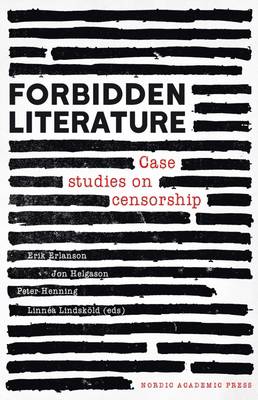
Freedom of the printed word is a defining feature of the modern world. Yet censorship and the suppression of literature never cease, and remain topical issues even in the most liberal of democracies. Today, just as in the past, advances in media technology are followed by new regulatory mechanisms. Similarly, any attempt to control cultural expression inevitably spurs fresh discussions about freedom of speech.
In Forbidden Literature scholars from a variety of disciplines address censorship's past and present, whether in liberal democracies or totalitarian regimes. Through in-depth case studies they trace a historical continuum in which literature reveals its two-sided nature: it demands both regulation and protection. The contributors investigate the logic of literary repression, particularly in the twentieth and twenty-first centuries, and analyze why it is thought essential to control literature. Moreover, the authors determine how literary practices are shaped and transformed by regulation and censorship.
In Forbidden Literature scholars from a variety of disciplines address censorship's past and present, whether in liberal democracies or totalitarian regimes. Through in-depth case studies they trace a historical continuum in which literature reveals its two-sided nature: it demands both regulation and protection. The contributors investigate the logic of literary repression, particularly in the twentieth and twenty-first centuries, and analyze why it is thought essential to control literature. Moreover, the authors determine how literary practices are shaped and transformed by regulation and censorship.
Specificaties
Betrokkenen
- Uitgeverij:
Inhoud
- Aantal bladzijden:
- 264
- Taal:
- Engels
Eigenschappen
- Productcode (EAN):
- 9789188661876
- Verschijningsdatum:
- 8/03/2020
- Uitvoering:
- Hardcover
- Formaat:
- Genaaid
- Afmetingen:
- 150 mm x 221 mm
- Gewicht:
- 521 g

Alleen bij Standaard Boekhandel
+ 106 punten op je klantenkaart van Standaard Boekhandel
Cadeau

AANGERADEN


Beoordelingen
We publiceren alleen reviews die voldoen aan de voorwaarden voor reviews. Bekijk onze voorwaarden voor reviews.