


- Afhalen na 1 uur in een winkel met voorraad
- Gratis thuislevering in België vanaf € 30
- Ruim aanbod met 7 miljoen producten
- Afhalen na 1 uur in een winkel met voorraad
- Gratis thuislevering in België vanaf € 30
- Ruim aanbod met 7 miljoen producten




Omschrijving
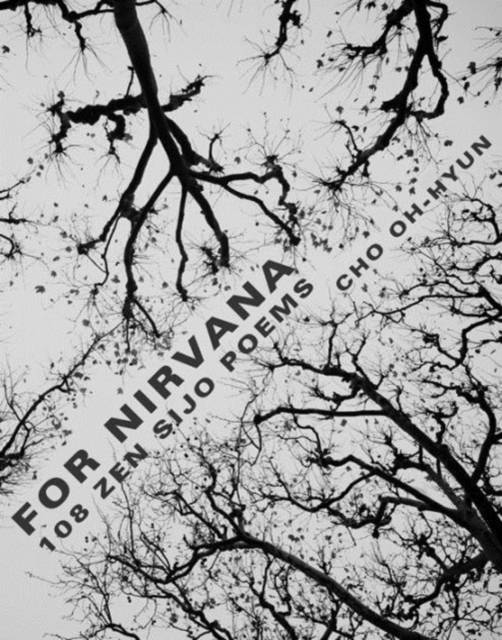
For Nirvana features exceptional examples of the poet Cho Oh-Hyun's award-winning work. Cho Oh-Hyun was born in Miryang, South Gyeongsang Province, Korea, and has lived in retreat in the mountains since becoming a novice monk at the age of seven. Writing under the Buddhist name Musan, he has composed hundreds of poems in seclusion, many in the sijo style, a relatively fixed syllabic poetic form similar to Japanese haiku and tanka. For Nirvana contains 108 Zen sijo poems (108 representing the number of klesas, or "defilements," that one must overcome to attain enlightenment). These transfixing works play with traditional religious and metaphysical themes and include a number of "story" sijo, a longer, more personal style that is one of Cho Oh-Hyun's major innovations. Kwon Youngmin, a leading scholar of sijo, provides a contextualizing introduction, and in his afterword, Heinz Insu Fenkl reflects on the unique challenges of translating the collection.
Specificaties
Betrokkenen
- Auteur(s):
- Vertaler(s):
- Uitgeverij:
Inhoud
- Aantal bladzijden:
- 144
- Taal:
- Engels
Eigenschappen
- Productcode (EAN):
- 9780231179904
- Verschijningsdatum:
- 6/09/2016
- Uitvoering:
- Hardcover
- Formaat:
- Genaaid
- Afmetingen:
- 142 mm x 180 mm
- Gewicht:
- 204 g


Alleen bij Standaard Boekhandel
AANGERADEN


Beoordelingen
We publiceren alleen reviews die voldoen aan de voorwaarden voor reviews. Bekijk onze voorwaarden voor reviews.