


- Afhalen na 1 uur in een winkel met voorraad
- Gratis thuislevering in België vanaf € 30
- Ruim aanbod met 7 miljoen producten
- Afhalen na 1 uur in een winkel met voorraad
- Gratis thuislevering in België vanaf € 30
- Ruim aanbod met 7 miljoen producten





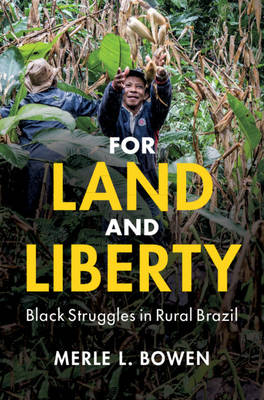
Omschrijving
For Land and Liberty is a comparative study of the history and contemporary circumstances concerning Brazil's quilombos (African-descent rural communities) and their inhabitants, the quilombolas. The book examines the disposition of quilombola claims to land as a site of contestation over citizenship and its meanings for Afro-descendants, as well as their connections to the broader fight against racism. Contrary to the narrative that quilombola identity is a recent invention, constructed for the purpose of qualifying for opportunities made possible by the 1988 law, Bowen argues that quilombola claims are historically and locally rooted. She examines the ways in which state actors have colluded with large landholders and modernization schemes to appropriate quilombo land, and further argues that, even when granted land titles, quilombolas face challenges issuing from systemic racism. By analyzing the quilombo movement and local initiatives, this book offers fresh perspectives on the resurgence of movements, mobilization, and resistance in Brazil.
Specificaties
Betrokkenen
- Auteur(s):
- Uitgeverij:
Inhoud
- Aantal bladzijden:
- 272
- Taal:
- Engels
- Reeks:
Eigenschappen
- Productcode (EAN):
- 9781108832359
- Verschijningsdatum:
- 22/04/2021
- Uitvoering:
- Hardcover
- Formaat:
- Genaaid
- Afmetingen:
- 152 mm x 229 mm
- Gewicht:
- 530 g


Alleen bij Standaard Boekhandel
+ 328 punten op je klantenkaart van Standaard Boekhandel
Cadeau

AANGERADEN


Beoordelingen
We publiceren alleen reviews die voldoen aan de voorwaarden voor reviews. Bekijk onze voorwaarden voor reviews.