


- Afhalen na 1 uur in een winkel met voorraad
- Gratis thuislevering in België vanaf € 30
- Ruim aanbod met 7 miljoen producten
- Afhalen na 1 uur in een winkel met voorraad
- Gratis thuislevering in België vanaf € 30
- Ruim aanbod met 7 miljoen producten





€ 68,95
+ 137 punten
Omschrijving
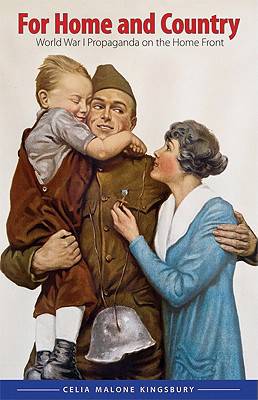
World War I prompted the first massive organized propaganda campaign of the twentieth century. Posters, pamphlets, and other media spread fear about the "Hun," who was often depicted threatening American families in their homes, while additional campaigns encouraged Americans and their allies to support the war effort. With most men actively involved in warfare, women and children became a special focus--and a tool--of social manipulation during the war. For Home and Country examines the propaganda that targeted noncombatants on the home front in the United States and Europe during World War I. Cookbooks, popular magazines, romance novels, and government food agencies targeted women in their homes, especially their kitchens, pressuring them to change their domestic habits. Children were also taught to fear the enemy and support the war through propaganda in the form of toys, games, and books. And when women and children were not the recipients of propaganda, they were often used in propaganda to target men. By examining a diverse collection of literary texts, songs, posters, and toys, Celia Malone Kingsbury reveals how these pervasive materials were used to fight the war's cultural battle.
Specificaties
Betrokkenen
- Auteur(s):
- Uitgeverij:
Inhoud
- Aantal bladzijden:
- 326
- Taal:
- Engels
- Reeks:
Eigenschappen
- Productcode (EAN):
- 9780803224742
- Verschijningsdatum:
- 1/07/2010
- Uitvoering:
- Hardcover
- Formaat:
- Genaaid
- Afmetingen:
- 142 mm x 216 mm
- Gewicht:
- 544 g


Alleen bij Standaard Boekhandel
+ 137 punten op je klantenkaart van Standaard Boekhandel
Cadeau

AANGERADEN


Beoordelingen
We publiceren alleen reviews die voldoen aan de voorwaarden voor reviews. Bekijk onze voorwaarden voor reviews.