



- Afhalen na 1 uur in een winkel met voorraad
- In januari gratis thuislevering in België
- Ruim aanbod met 7 miljoen producten
- Afhalen na 1 uur in een winkel met voorraad
- In januari gratis thuislevering in België
- Ruim aanbod met 7 miljoen producten





€ 97,45
+ 194 punten
Uitvoering
Omschrijving
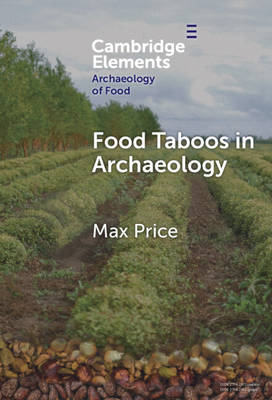
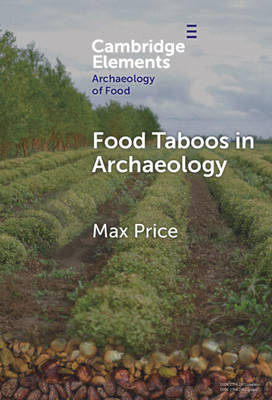
Anthropologists have struggled with the concept of the food taboo for over a century; and archaeologists struggle with detecting them in the material signatures of the past. Yet by recognizing that ancient peoples must have followed taboos, some of which may have persisted for thousands of years, we gain insight into how cultural traditions shaped the ways in which people ate and interacted with their environments. This Element concerns food and the cultural structures that surround it. It provides an overview of the history and anthropological understandings of food taboos, and offers critical engagement with the current archaeological method and theory investigating these. Archaeological case studies, including the pig taboo in Judaism and ethnoarchaeological analysis of various mammalian taboos among the Nukak of Amazonia, shed light on the difficulties and prospects of studying food taboos in the material record.
Specificaties
Betrokkenen
- Auteur(s):
- Uitgeverij:
Inhoud
- Aantal bladzijden:
- 80
- Taal:
- Engels
- Reeks:
Eigenschappen
- Productcode (EAN):
- 9781009663571
- Verschijningsdatum:
- 2/04/2026
- Uitvoering:
- Hardcover
- Formaat:
- Genaaid
- Afmetingen:
- 152 mm x 229 mm
- Gewicht:
- 281 g


Alleen bij Standaard Boekhandel
+ 194 punten op je klantenkaart van Standaard Boekhandel
Cadeau

AANGERADEN


Beoordelingen
We publiceren alleen reviews die voldoen aan de voorwaarden voor reviews. Bekijk onze voorwaarden voor reviews.