


- Afhalen na 1 uur in een winkel met voorraad
- Gratis thuislevering in België vanaf € 30
- Ruim aanbod met 7 miljoen producten
- Afhalen na 1 uur in een winkel met voorraad
- Gratis thuislevering in België vanaf € 30
- Ruim aanbod met 7 miljoen producten





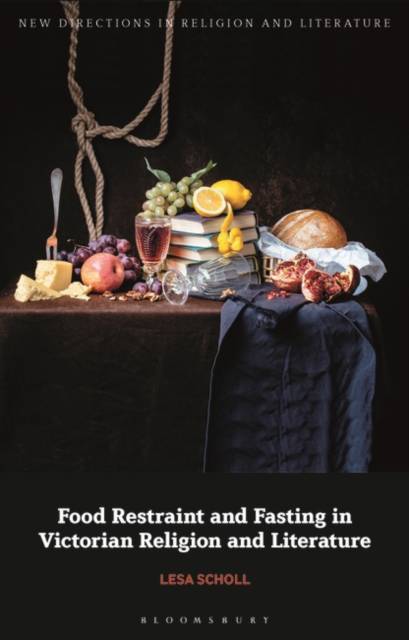
Food Restraint and Fasting in Victorian Religion and Literature
Lesa Scholl
€ 220,45
+ 440 punten
Uitvoering
Omschrijving
Through an interdisciplinary lens of theology, medicine, and literary criticism, this book examines the complicated intersections of food consumption, political economy, and religious conviction in nineteenth-century Britain.
Scholarship on fasting is gendered. This book deliberately faces this gendering by looking at the way in which four Victorian women writers - Christina Rossetti, Alice Meynell, Elizabeth Gaskell and Josephine Butler - each engage with food restraint from ethical, social and theological perspectives. While many studies look at fasting as a form of spiritual discipline or punishment, or alternatively as anorexia nervosa, this book positions limiting food consumption as an ethical choice in response to the food insecurity of others. By examining their works in this way, this study repositions feminine religious practice and writing in relation to food consumption within broader contexts of ecocriticism, economics and social justice.Specificaties
Betrokkenen
- Auteur(s):
- Uitgeverij:
Inhoud
- Aantal bladzijden:
- 168
- Taal:
- Engels
- Reeks:
Eigenschappen
- Productcode (EAN):
- 9781350256514
- Verschijningsdatum:
- 27/01/2022
- Uitvoering:
- Hardcover
- Formaat:
- Genaaid
- Afmetingen:
- 140 mm x 216 mm
- Gewicht:
- 340 g


Alleen bij Standaard Boekhandel
+ 440 punten op je klantenkaart van Standaard Boekhandel
Cadeau

AANGERADEN


Beoordelingen
We publiceren alleen reviews die voldoen aan de voorwaarden voor reviews. Bekijk onze voorwaarden voor reviews.