


- Afhalen na 1 uur in een winkel met voorraad
- Gratis thuislevering in België vanaf € 30
- Ruim aanbod met 7 miljoen producten
- Afhalen na 1 uur in een winkel met voorraad
- Gratis thuislevering in België vanaf € 30
- Ruim aanbod met 7 miljoen producten





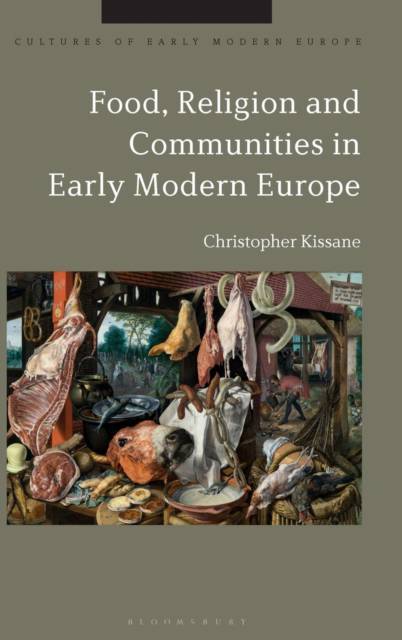
Food, Religion and Communities in Early Modern Europe
Christopher Kissane
€ 296,95
+ 593 punten
Uitvoering
Omschrijving
Using a three-part structure focused on the major historical subjects of the Inquisition, the Reformation and witchcraft, Christopher Kissane examines the relationship between food and religion in early modern Europe.
Food, Religion and Communities in Early Modern Europe employs three key case studies in Castile, Zurich and Shetland to explore what food can reveal about the wider social and cultural history of early modern communities undergoing religious upheaval. Issues of identity, gender, cultural symbolism and community relations are analysed in a number of different contexts. The book also surveys the place of food in history and argues the need for historians not only to think more about food, but also with food in order to gain novel insights into historical issues. This is an important study for food historians and anyone seeking to understand the significant issues and events in early modern Europe from a fresh perspective.Specificaties
Betrokkenen
- Auteur(s):
- Uitgeverij:
Inhoud
- Aantal bladzijden:
- 240
- Taal:
- Engels
- Reeks:
Eigenschappen
- Productcode (EAN):
- 9781350008465
- Verschijningsdatum:
- 14/06/2018
- Uitvoering:
- Hardcover
- Formaat:
- Genaaid
- Afmetingen:
- 234 mm x 157 mm
- Gewicht:
- 498 g


Alleen bij Standaard Boekhandel
+ 593 punten op je klantenkaart van Standaard Boekhandel
Cadeau

AANGERADEN


Beoordelingen
We publiceren alleen reviews die voldoen aan de voorwaarden voor reviews. Bekijk onze voorwaarden voor reviews.