



Bedankt voor het vertrouwen het afgelopen jaar! Om jou te bedanken bieden we GRATIS verzending (in België) aan op alles gedurende de hele maand januari.
- Afhalen na 1 uur in een winkel met voorraad
- In januari gratis thuislevering in België
- Ruim aanbod met 7 miljoen producten
Bedankt voor het vertrouwen het afgelopen jaar! Om jou te bedanken bieden we GRATIS verzending (in België) aan op alles gedurende de hele maand januari.
- Afhalen na 1 uur in een winkel met voorraad
- In januari gratis thuislevering in België
- Ruim aanbod met 7 miljoen producten





€ 222,45
+ 444 punten
Omschrijving
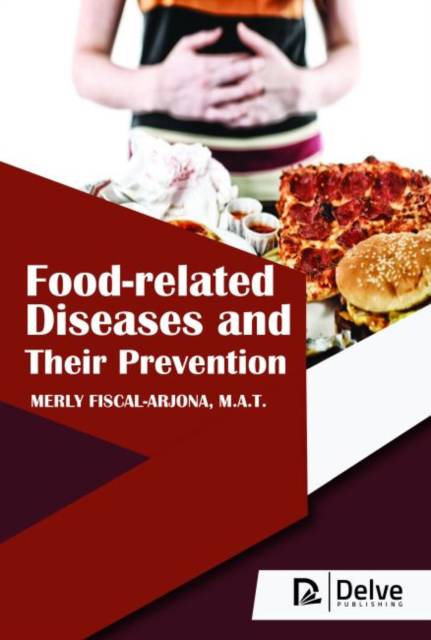
Food is supposed to nourish the body by providing the required nutrients to build the body and provide the energy needed by cells for our everyday lives. However, food has also been known to be a major cause of diseases in the human body. Consuming certain types of food in large quantities can result in common ailments such as obesity, diabetes and diarrhea and many more. It is for this realization that a lot of scientific studies have been carried out on the role of food in diseases. Food related diseases are usually classified as either infections or poisonings. Poisonings are known to be caused by the ingestion of toxins that are in tissues of particular animals and plants. They are also found in toxins (metabolic products) formed and excreted by microorganisms (such as algae, fungi or bacteria) while they multiply in poisonous substances or foods that may be incidentally or intentionally added to foods as a result of storing, transporting, processing or producing. Infections are normally caused by the entrance of pathogenic microorganisms and the reaction of the body to the presence of the microorganisms or to the toxins the same generate in the body. For example, intestinal infections are manifested by in vivo mucosal penetration or enterotoxin production. After mucosal penetration, the organisms either pass into other tissues or multiply in the mucosa.With this, food related diseases are classified according to the type of agent that is considered responsible for the illness. It can be anything such as radionuclides, poisonous chemicals, toxic animals, poisonous plants, fungal (mushroom or mycotoxin), parasitic (helminthes, trematodes, nematodes, cestodes, protozoan), rickettsial, viral and bacterial. In each group the first to appear on the list are the diseases of contemporary. Relative importance of every disease varies from place to place and from time to time. This reference will include majority of food related diseases. It will also include the diseases that are food related despite the lack of sufficient proof to deem this 100% food related. It will also include the diseases that have a causative agent in foods, but at the same time lack proof that transmission is unknown. The article does not attempt to list all foods that are considered as radionuclides, poisonous chemicals or poisonous plants. Instead, plats that are mistaken for food or usually used as food are the ones that have been reviewed. Foods of primary public health importance have been listed. The symptoms of every disease are normally placed in the order of their predominance or occurrence. Take note that individual cases may not always manifest the symptoms listed. In some cases, there will be presence of additional symptoms and signs. The latent period (in poisons) or incubation period of a disease is the time of consumption of contaminated food to the point where the first symptoms are experienced. This means individual cases are likely to have incubation periods that vary form the times stipulated below. Control measures below are listed in accordance to their level of importance. Since a complete bibliography of the literature from which this book was compiled would be very extensive, a few or one of the references to each disease is provided merely as more of a guideline.
Specificaties
Betrokkenen
- Auteur(s):
- Uitgeverij:
Inhoud
- Aantal bladzijden:
- 261
- Taal:
- Engels
Eigenschappen
- Productcode (EAN):
- 9781773612546
- Verschijningsdatum:
- 1/11/2017
- Uitvoering:
- Hardcover
- Formaat:
- Genaaid
- Afmetingen:
- 152 mm x 229 mm


Alleen bij Standaard Boekhandel
+ 444 punten op je klantenkaart van Standaard Boekhandel
SOLDEN


Beoordelingen
We publiceren alleen reviews die voldoen aan de voorwaarden voor reviews. Bekijk onze voorwaarden voor reviews.