



- Afhalen na 1 uur in een winkel met voorraad
- In januari gratis thuislevering in België
- Ruim aanbod met 7 miljoen producten
- Afhalen na 1 uur in een winkel met voorraad
- In januari gratis thuislevering in België
- Ruim aanbod met 7 miljoen producten





€ 33,45
+ 66 punten
Uitvoering
Omschrijving
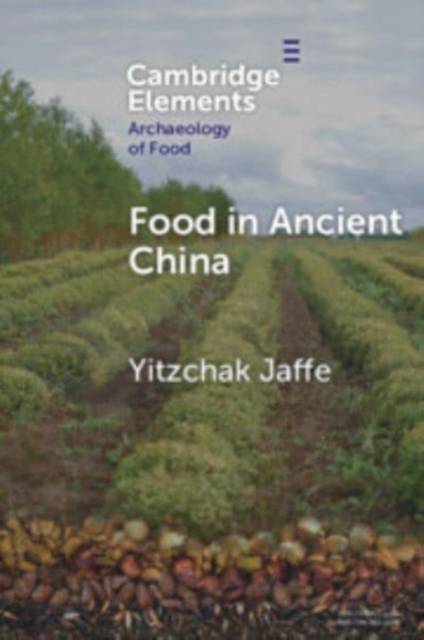
This Element provides an overview of food and foodways in Ancient China, from the earliest humans ( 500k BP) up to its historical beginnings: the foundation of the Zhou dynasty (at the start of the 1st millennium BCE). While textual data provides insights on food and diet during China's historical periods, archaeological data is the main source for studying the deep past and reconstructing what people ate, how they ate and with whom they ate it. This Element introduces the plants and animals that formed the building blocks of ancient diets and cuisines, as well as how they created localized lifeways and unifying constructs across ancient China. Foodways, how food was grown, prepared and consumed, was central in the development of differing social, economic and political realities, as it shaped ritual and burial practices, differentiated ethnic groups, solidified community ties and deepened or assuaged social inequalities.
Specificaties
Betrokkenen
- Auteur(s):
- Uitgeverij:
Inhoud
- Aantal bladzijden:
- 92
- Taal:
- Engels
- Reeks:
Eigenschappen
- Productcode (EAN):
- 9781009408387
- Verschijningsdatum:
- 21/12/2023
- Uitvoering:
- Paperback
- Formaat:
- Trade paperback (VS)
- Afmetingen:
- 152 mm x 229 mm
- Gewicht:
- 136 g


Alleen bij Standaard Boekhandel
+ 66 punten op je klantenkaart van Standaard Boekhandel
Cadeau

AANGERADEN


Beoordelingen
We publiceren alleen reviews die voldoen aan de voorwaarden voor reviews. Bekijk onze voorwaarden voor reviews.