


- Afhalen na 1 uur in een winkel met voorraad
- Gratis thuislevering in België vanaf € 30
- Ruim aanbod met 7 miljoen producten
- Afhalen na 1 uur in een winkel met voorraad
- Gratis thuislevering in België vanaf € 30
- Ruim aanbod met 7 miljoen producten





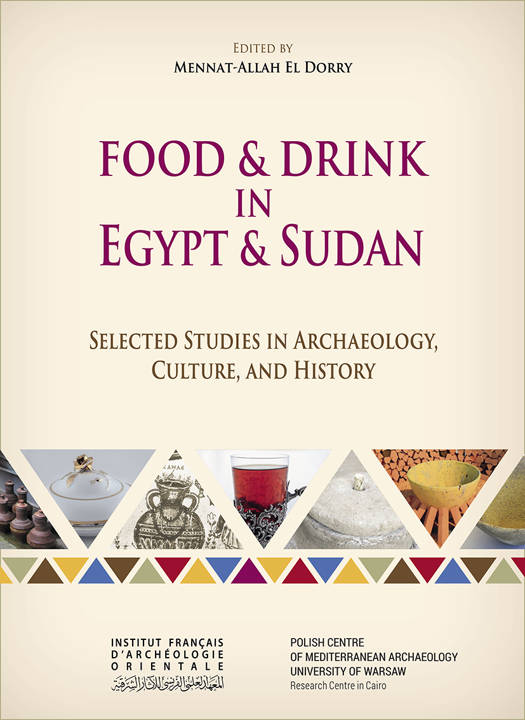
Food and Drink in Egypt and Sudan
Selected Studies in Archaeology, Culture, and History
Mennat-Allah El Dorry
€ 43,00
+ 86 punten
Omschrijving
The study of historic foodways is as multifaceted and varied as food itself. The changes we see in food habits and choices over history reveal evolving social and political climates and help us envision our ancestors' everyday lives and imagined afterlives. Food certainly played a role in funerary rites; it was offered to the dead, of course, but also shared at the grave among the living family members, symbolically bridging between this world and the next. Choosing the food was embedded in a series of traditions and norms; how it relates to what was actually eaten in associated settlements enables an understanding of its meaning. Feasts, whether for the dead or the living, were laden with political and social meaning. Fasting, although requiring abstention from certain foods, also involves the management-from sourcing and storing to cooking and eating-of the permitted foods, a key concern in contexts such as monasteries where fasting occurred. This collective work demonstrates the diversity of possible approaches to food. It presents the current state of research on the foodways of Egypt and Sudan and highlights the importance of further interdisciplinary collaboration for a "big picture" approach. It brings together 16 articles covering archaeology (in the broadest sense), theory, anthropology, language, ethnography, and architecture to illustrate food traditions and history in Egypt and Sudan from as early as the 4th millennium BC to the 20th century.
Specificaties
Betrokkenen
- Auteur(s):
- Uitgeverij:
Inhoud
- Aantal bladzijden:
- 328
- Taal:
- Engels
- Reeks:
- Reeksnummer:
- nr. 184
Eigenschappen
- Productcode (EAN):
- 9782724709544
- Verschijningsdatum:
- 7/11/2023
- Uitvoering:
- Hardcover
- Formaat:
- Genaaid
- Afmetingen:
- 201 mm x 277 mm
- Gewicht:
- 1156 g


Alleen bij Standaard Boekhandel
+ 86 punten op je klantenkaart van Standaard Boekhandel
Cadeau

AANGERADEN


Beoordelingen
We publiceren alleen reviews die voldoen aan de voorwaarden voor reviews. Bekijk onze voorwaarden voor reviews.