


- Afhalen na 1 uur in een winkel met voorraad
- Gratis thuislevering in België vanaf € 30
- Ruim aanbod met 7 miljoen producten
- Afhalen na 1 uur in een winkel met voorraad
- Gratis thuislevering in België vanaf € 30
- Ruim aanbod met 7 miljoen producten





Omschrijving
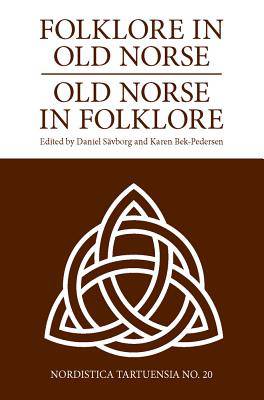
During the 20th century, Old Norse philology has been strongly textually oriented. This is evident in saga scholarship, where the book-prose ideology turned the issue of the origin of individual sagas into an issue of direct influences from other written works. This focus has methodological advantages, but it has also meant that valuable folkloristic knowledge has been neglected. The present volume targets the advantages, the problems and the methods of using folklore material and theory in Old Norse scholarship. An important theme in folklore is the encounter with the Supernatural, and such stories are indeed common in saga literature. Generally, however, scholars have tended to focus on feuds and the social structure of the sagas, and less on encounters with Otherworld beings. In this volume, the supernatural themes in the sagas are discussed by means of several approaches, some folkloristic, some traditionally philological.
Specificaties
Betrokkenen
- Uitgeverij:
Inhoud
- Aantal bladzijden:
- 187
- Taal:
- Engels
Eigenschappen
- Productcode (EAN):
- 9789949327041
- Verschijningsdatum:
- 30/12/2014
- Uitvoering:
- Paperback
- Formaat:
- Trade paperback (VS)
- Afmetingen:
- 160 mm x 236 mm
- Gewicht:
- 317 g

Alleen bij Standaard Boekhandel
+ 78 punten op je klantenkaart van Standaard Boekhandel

Beoordelingen
We publiceren alleen reviews die voldoen aan de voorwaarden voor reviews. Bekijk onze voorwaarden voor reviews.