


- Afhalen na 1 uur in een winkel met voorraad
- Gratis thuislevering in België vanaf € 30
- Ruim aanbod met 7 miljoen producten
- Afhalen na 1 uur in een winkel met voorraad
- Gratis thuislevering in België vanaf € 30
- Ruim aanbod met 7 miljoen producten





€ 53,45
+ 106 punten
Eenvoudig bestellen
Veilig betalen


Gratis thuislevering vanaf € 30 (via bpost)
Gratis levering in je Standaard Boekhandel
Omschrijving
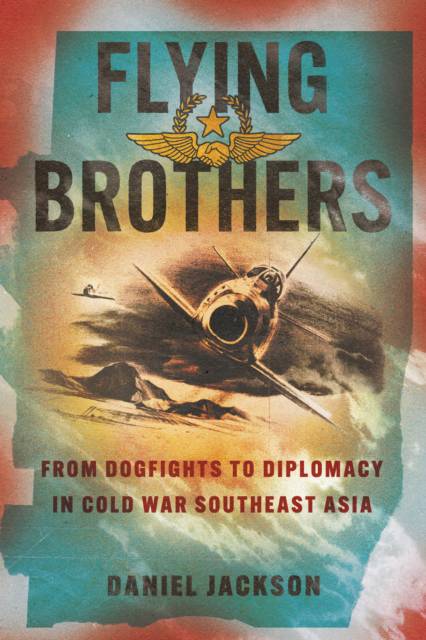
Flying Brothers drops you into cockpits and crisis rooms across the Cold War: supersonic F-5s herding rebel "Tora-Toras" over Manila in 1989, F-86 Sabres firing the first Sidewinder missiles against MiG-17s above the Taiwan Strait in 1958, and AT-6s striking a mutinous warship on a river in downtown Bangkok in 1951.
Instead of retelling Vietnam, Flying Brothers follows America's three treaty allies in Southeast Asia--Taiwan, Thailand, and the Philippines--showing how they built airpower that actually worked. The deal was stark: trade territory for technology. By hosting US bases, these countries gained jets, radar, and training they couldn't otherwise afford--while wrestling with the sovereignty headaches that came with a foreign force on their soil.
At the heart of the story are "diplomats in flight suits" American advisors flying, fixing, and planning alongside their counterparts to turn hand-me-down aircraft into credible defenses and hard-won victories--from the Philippines' air-ground campaign against the Huks to Taiwan's measured, missile-age deterrence. Along the way, Daniel Jackson highlights dogfights, ramp-side ingenuity, and the annual "Flying Brothers" weapons meets that forged real fraternity among allied airmen.
For readers of military and aviation history, Cold War strategy, and Southeast Asia, this is a fast-moving, clear-eyed account of how alliances actually fight: not with speeches, but with checklists, radar tracks, and pilots who know when to hold fire--and when to press the attack. The result is a persuasive case that well-run advisory missions, tied to coherent political-military aims, can succeed at far lower cost than direct US intervention.
Specificaties
Betrokkenen
- Auteur(s):
- Uitgeverij:
Inhoud
- Aantal bladzijden:
- 370
- Taal:
- Engels
- Reeks:
Eigenschappen
- Productcode (EAN):
- 9781501789007
- Verschijningsdatum:
- 15/10/2026
- Uitvoering:
- Hardcover
- Formaat:
- Genaaid
- Afmetingen:
- 152 mm x 229 mm
- Gewicht:
- 907 g


Alleen bij Standaard Boekhandel
+ 106 punten op je klantenkaart van Standaard Boekhandel
CADEAU

AANGERADEN


Beoordelingen
We publiceren alleen reviews die voldoen aan de voorwaarden voor reviews. Bekijk onze voorwaarden voor reviews.