



Je cadeautjes zeker op tijd in huis hebben voor de feestdagen? Kom langs in onze winkels en vind het perfecte geschenk!
- Afhalen na 1 uur in een winkel met voorraad
- Gratis thuislevering in België vanaf € 30
- Ruim aanbod met 7 miljoen producten
Je cadeautjes zeker op tijd in huis hebben voor de feestdagen? Kom langs in onze winkels en vind het perfecte geschenk!
- Afhalen na 1 uur in een winkel met voorraad
- Gratis thuislevering in België vanaf € 30
- Ruim aanbod met 7 miljoen producten





Omschrijving
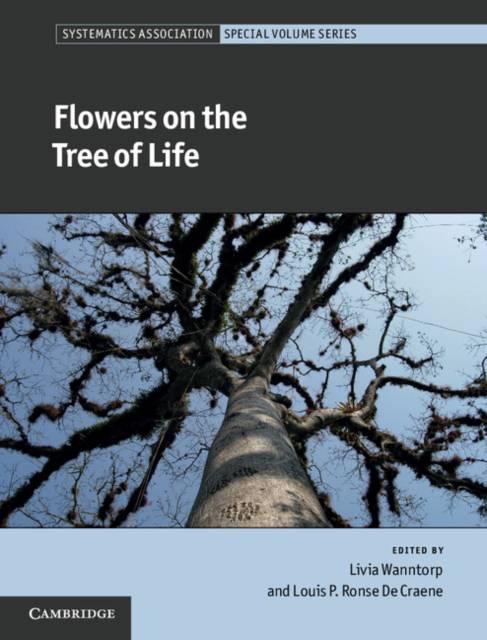
Genetic and molecular studies have recently come to dominate botanical research at the expense of more traditional morphological approaches. This broad introduction to modern flower systematics demonstrates the great potential that floral morphology has to complement molecular data in phylogenetic and evolutionary investigations. Contributions from experts in floral morphology and evolution take the reader through examples of how flowers have diversified in a large variety of lineages of extant and fossil flowering plants. They explore angiosperm origins and the early evolution of flowers and analyse the significance of morphological characters for phylogenetic reconstructions on the tree of life. The importance of integrating morphology into modern botanical research is highlighted through case studies exploring specific plant groups where morphological investigations are having a major impact. Examples include the clarification of phylogenetic relationships and understanding the significance and evolution of specific floral characters, such as pollination mechanisms and stamen and carpel numbers.
Specificaties
Betrokkenen
- Auteur(s):
- Uitgeverij:
Inhoud
- Aantal bladzijden:
- 326
- Taal:
- Engels
- Reeks:
- Reeksnummer:
- nr. 80
Eigenschappen
- Productcode (EAN):
- 9780521765992
- Verschijningsdatum:
- 22/09/2011
- Uitvoering:
- Hardcover
- Formaat:
- Genaaid
- Afmetingen:
- 190 mm x 246 mm
- Gewicht:
- 839 g



Alleen bij Standaard Boekhandel
+ 256 punten op je klantenkaart van Standaard Boekhandel
CADEAU


Beoordelingen
We publiceren alleen reviews die voldoen aan de voorwaarden voor reviews. Bekijk onze voorwaarden voor reviews.