



Bedankt voor het vertrouwen het afgelopen jaar! Om jou te bedanken bieden we GRATIS verzending (in België) aan op alles gedurende de hele maand januari.
- Afhalen na 1 uur in een winkel met voorraad
- In januari gratis thuislevering in België
- Ruim aanbod met 7 miljoen producten
Bedankt voor het vertrouwen het afgelopen jaar! Om jou te bedanken bieden we GRATIS verzending (in België) aan op alles gedurende de hele maand januari.
- Afhalen na 1 uur in een winkel met voorraad
- In januari gratis thuislevering in België
- Ruim aanbod met 7 miljoen producten





Omschrijving
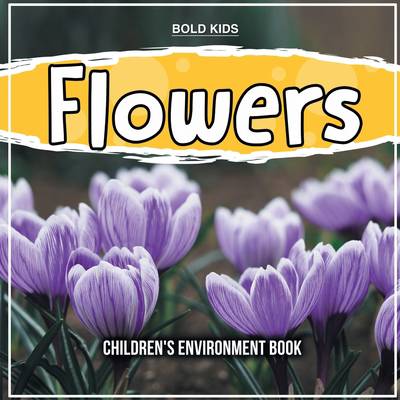
Did you know that flowers have more than 200 different names? Did you know that flowers are the reproductive structures of flowering plants? The flower, sometimes called a bloom or a blossom, is a reproductive structure that usually contains a mechanism for union of sperm and egg. Learn more about flowers and their fascinating history. Learn what these flowers really do and where they come from. Here are some of the most fascinating facts about flowers! Now, go out and plant some flowers in your backyard! Flowers get their food from sunlight, water, and minerals from the soil. The process is called photosynthesis. The sunlight strikes the chloroplasts of plants, which contains chlorophyll. The chlorophyll converts carbon dioxide from the air into sugar that plants need to survive. In turn, these plants use this sugar for energy. They produce a lot of sugar in their flower petals, which is why flowers are called edible plants! Ancient Greeks and Romans revered flowers and attributed their origin to gods. In contrast, ancient Indians believed that flowers were not born to please humans, but to serve as a symbol of the divine. Many cultures associate certain types of flowers with different types of festivals. Ancient India celebrated a festival for flowers, while ancient Greece and Italy commemorated a day for roses and lilies. There are many other interesting facts about flowers and their history.
Specificaties
Betrokkenen
- Auteur(s):
- Uitgeverij:
Inhoud
- Aantal bladzijden:
- 42
- Taal:
- Engels
Eigenschappen
- Productcode (EAN):
- 9781071709788
- Verschijningsdatum:
- 15/08/2022
- Uitvoering:
- Paperback
- Formaat:
- Trade paperback (VS)
- Afmetingen:
- 216 mm x 216 mm
- Gewicht:
- 117 g


Alleen bij Standaard Boekhandel
+ 43 punten op je klantenkaart van Standaard Boekhandel
SOLDEN


Beoordelingen
We publiceren alleen reviews die voldoen aan de voorwaarden voor reviews. Bekijk onze voorwaarden voor reviews.